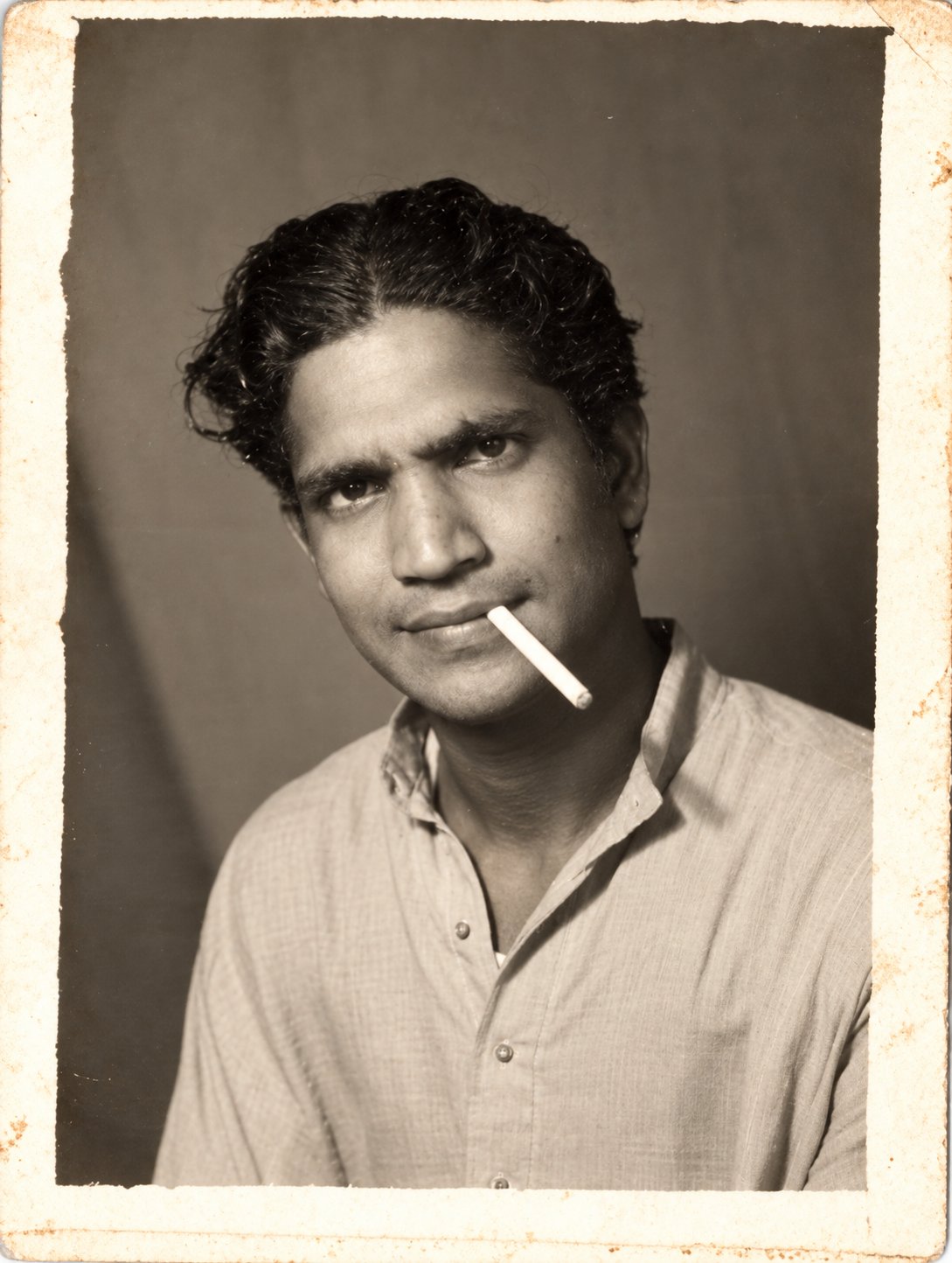
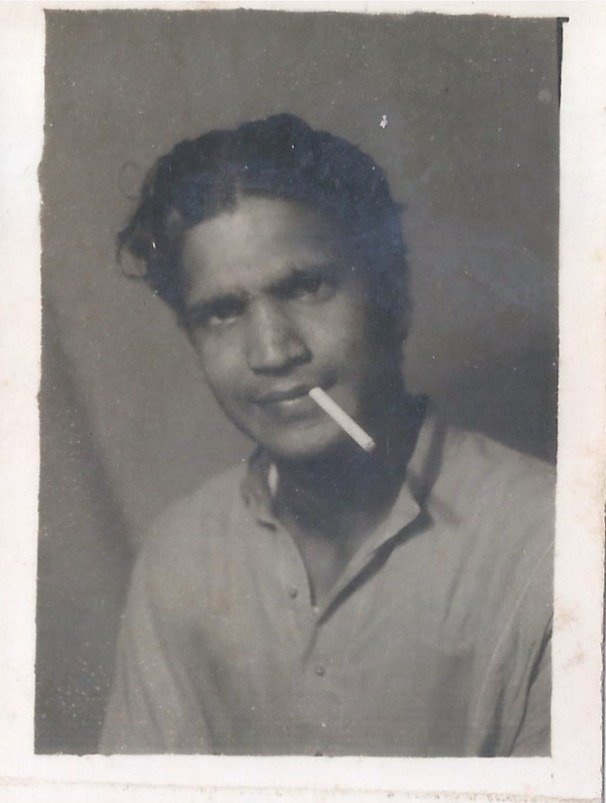
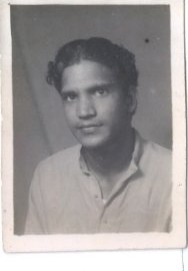
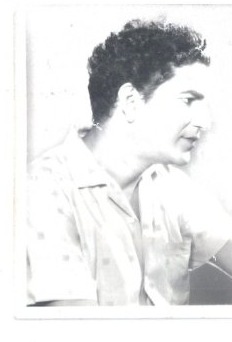
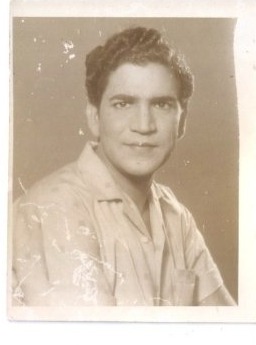
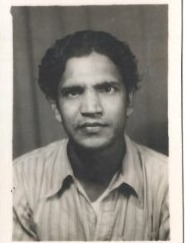
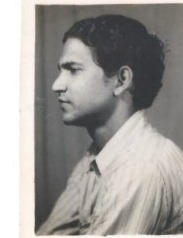
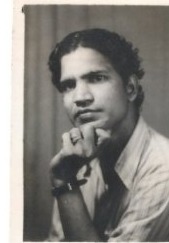
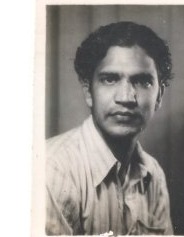
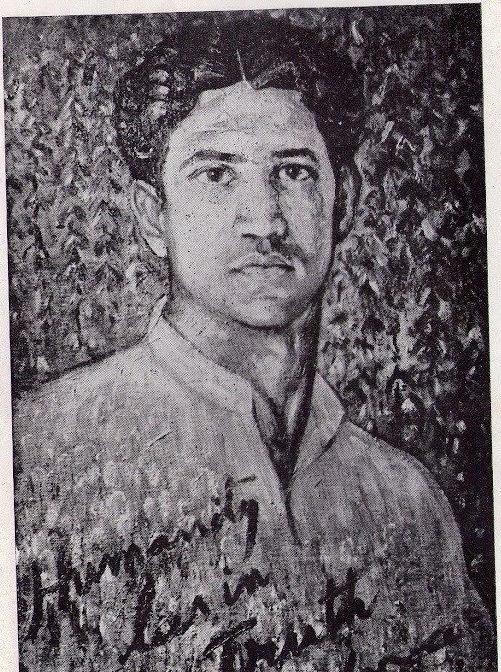
ANCHA RADHAKRISHNA MURTHY

He gave faces to presidents and prime ministers, actors and saints — then history forgot his own.

The story

The sculptor history forgot

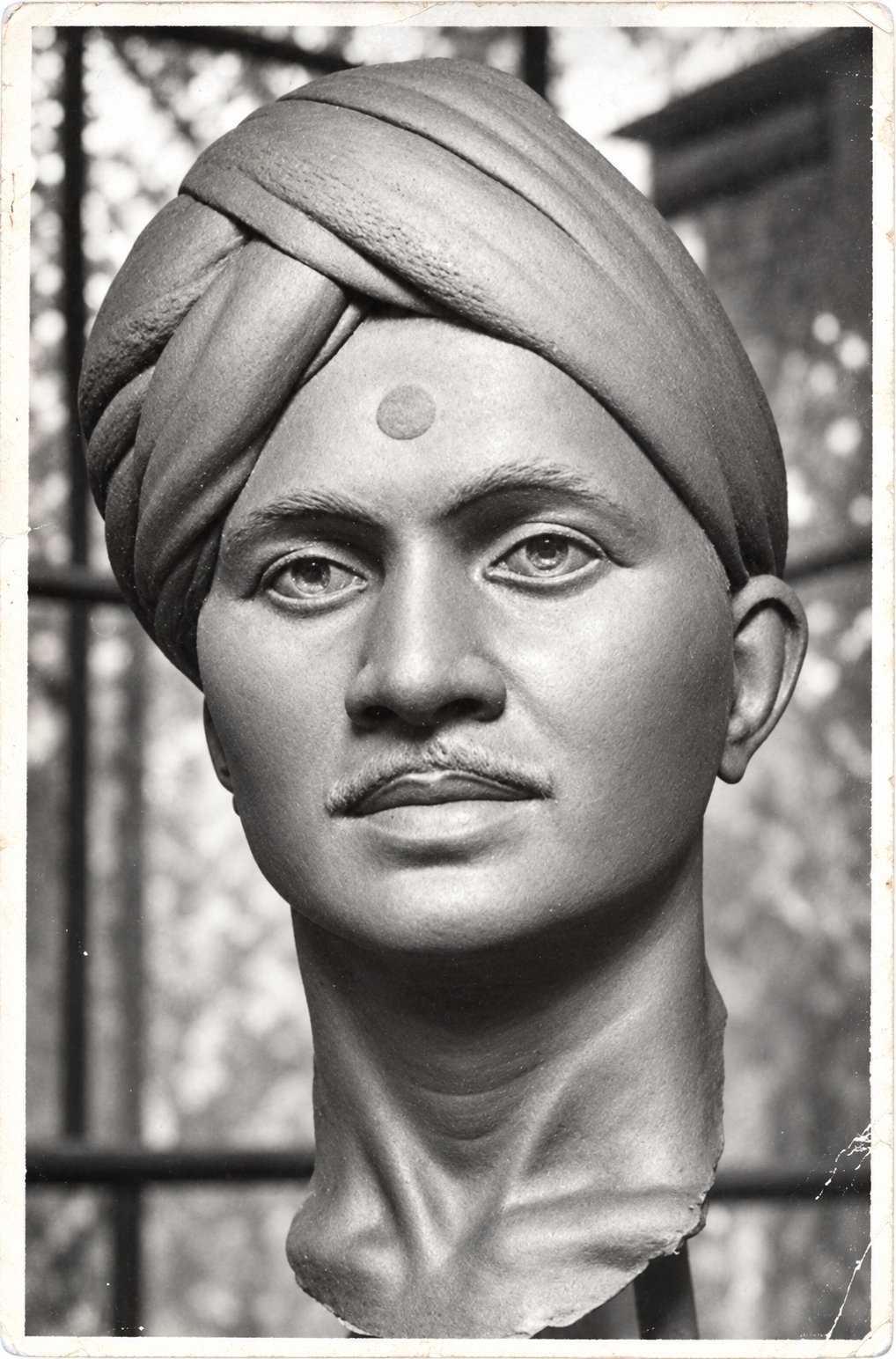
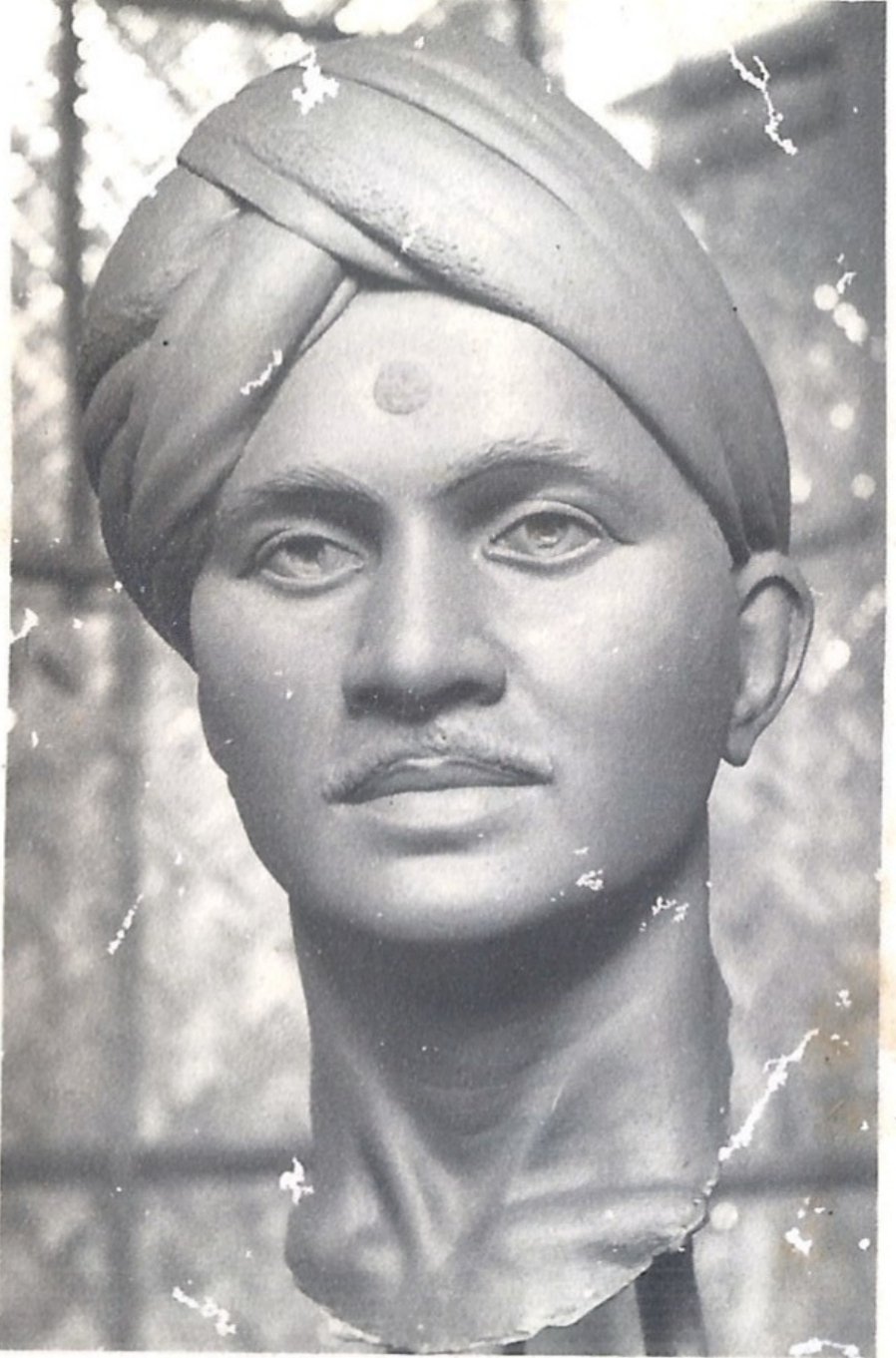
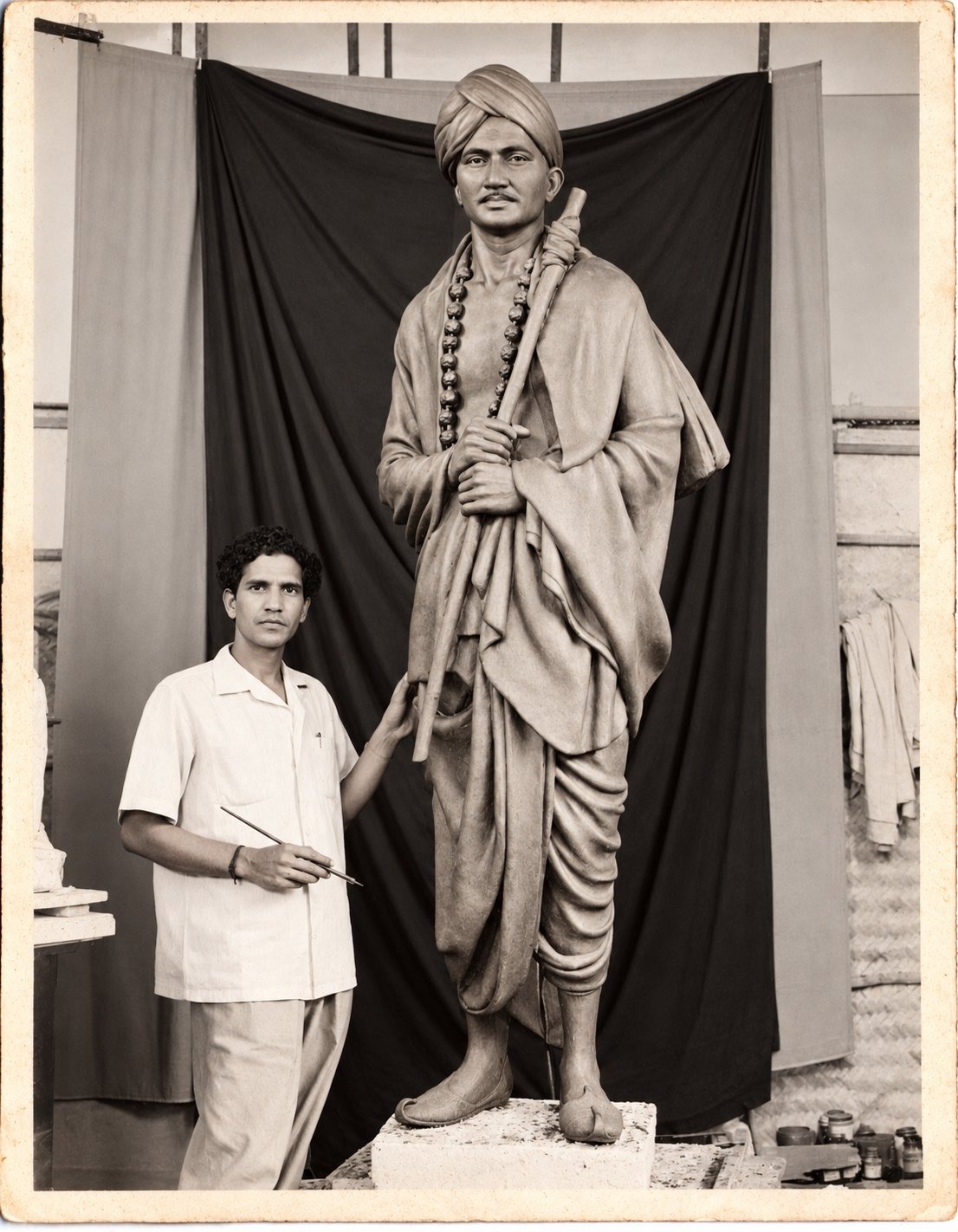
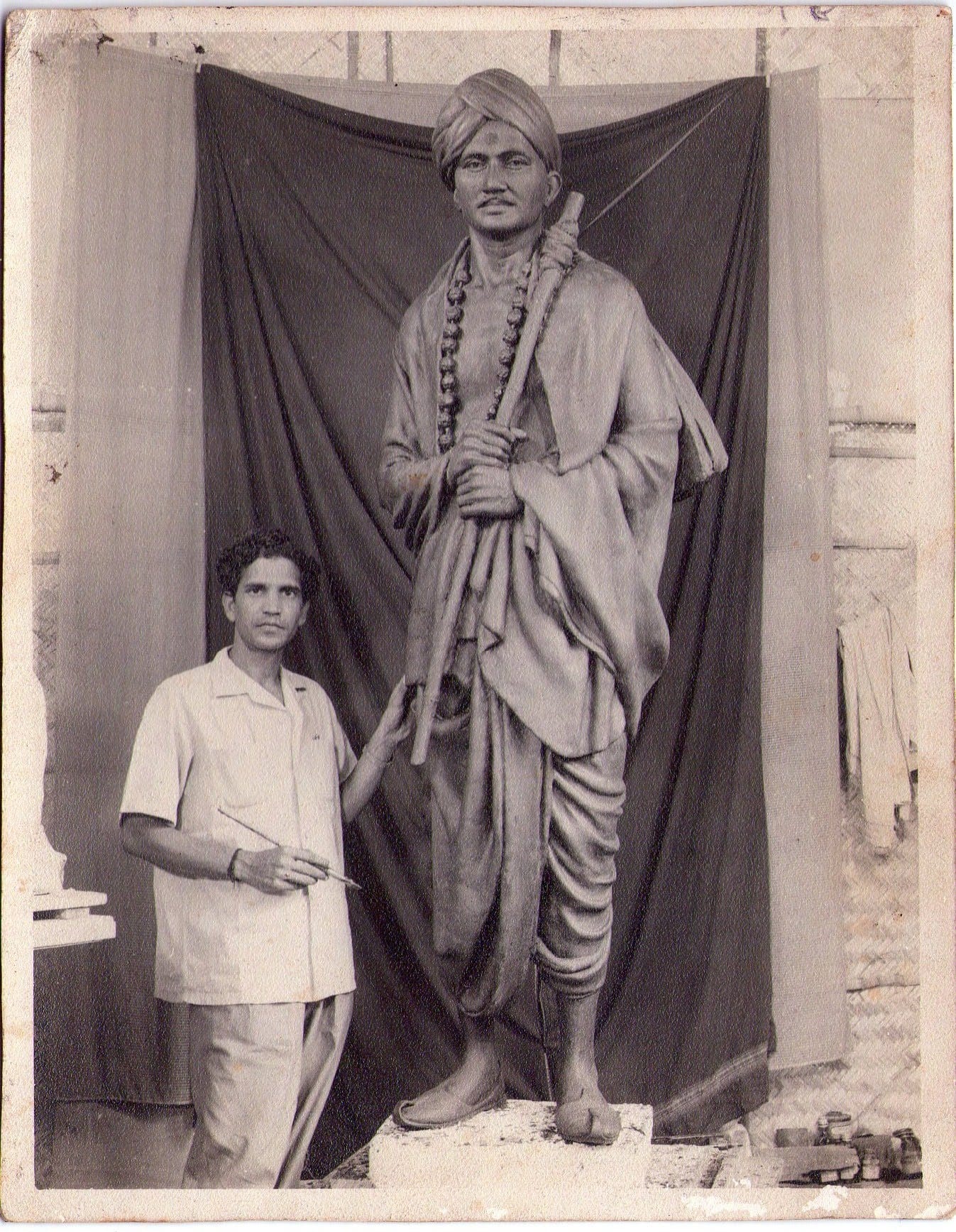
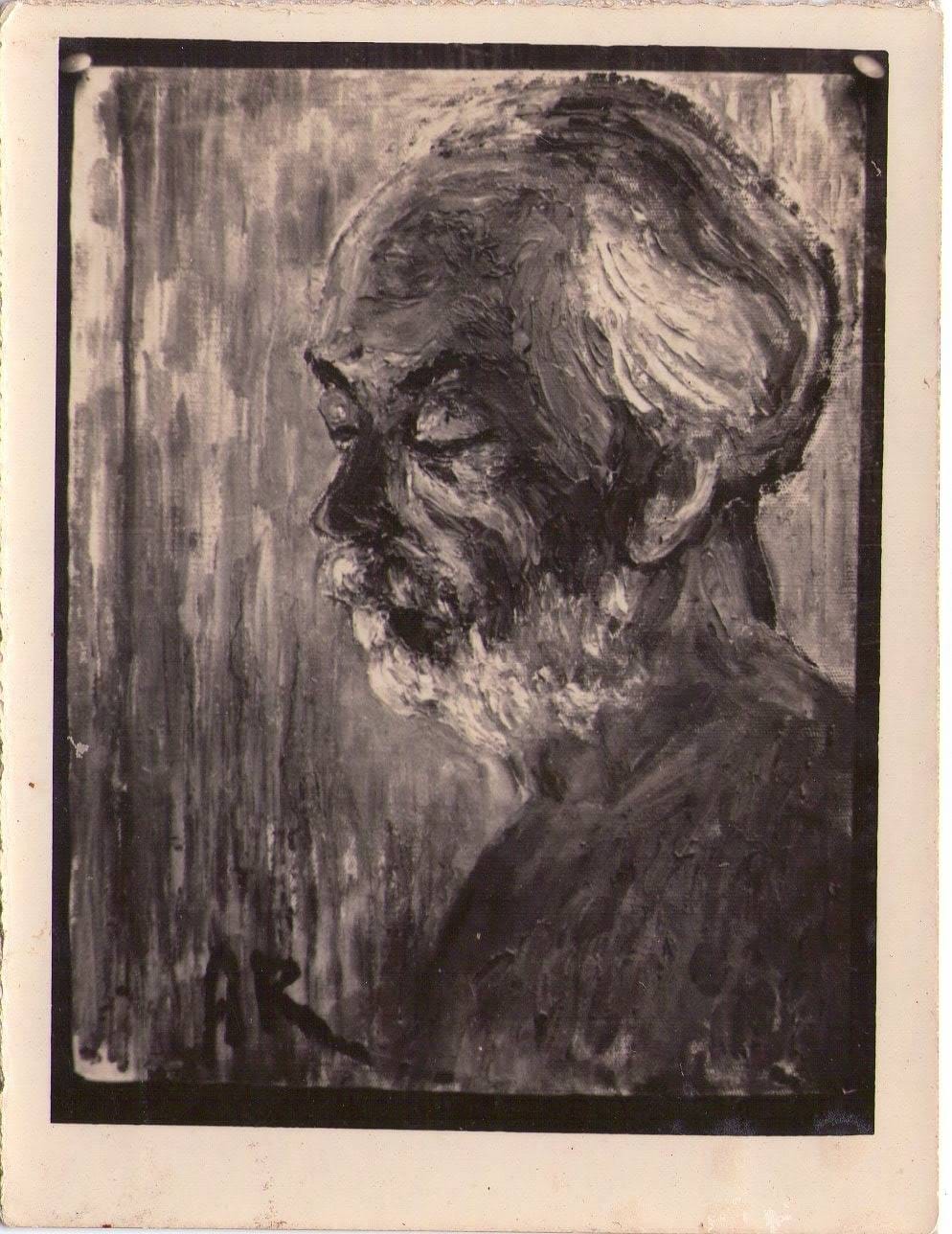
In the 1950s, a young man from a farming village near Tenali carved his way into Madras studios, Delhi's corridors of power, and an international stage. Presidents sat for him. Actors were cast in bronze by his hands. Then, quietly, he went home to farm his field — and the world moved on.

This is his family putting his name back where it belongs.
01

The Runaway

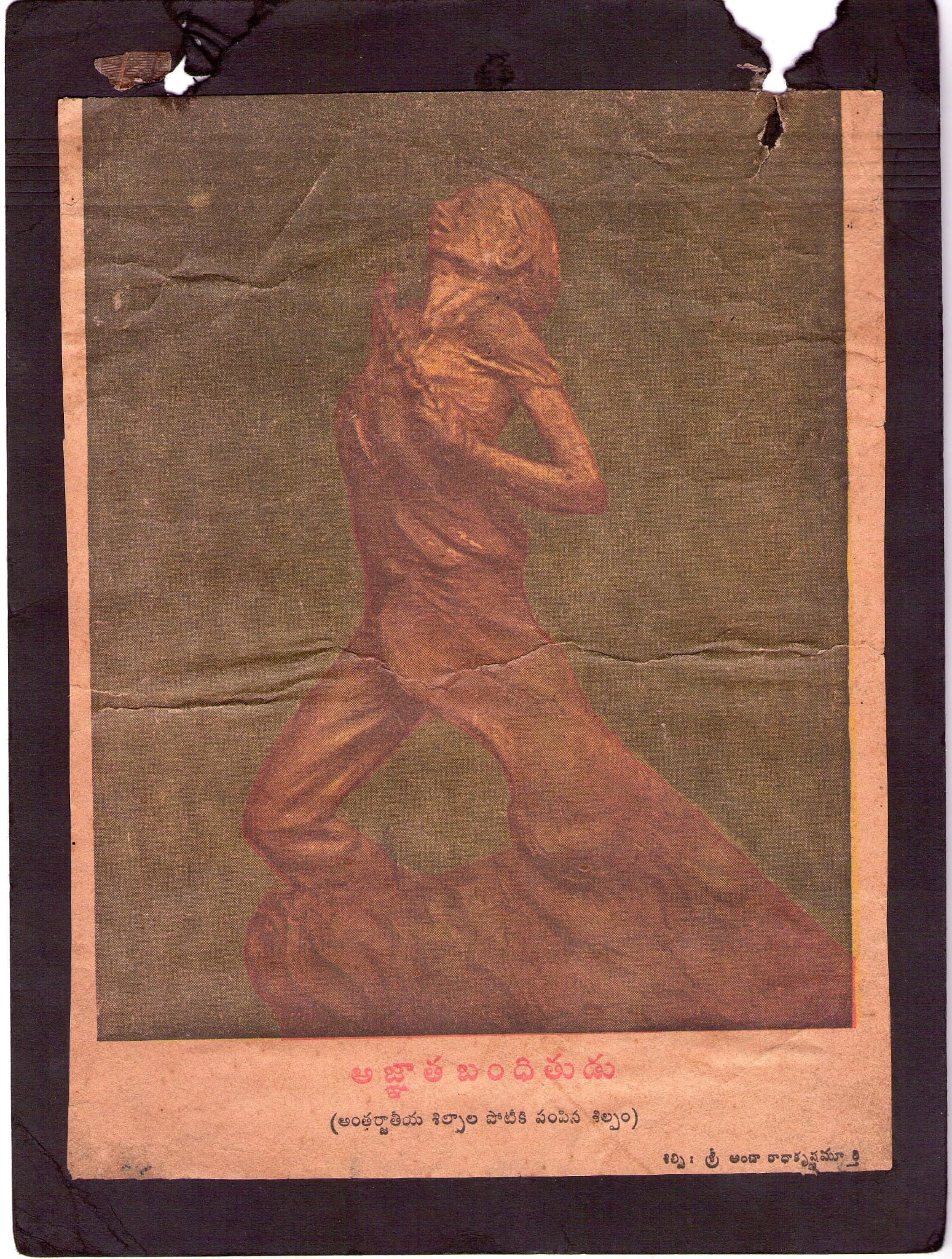
Born in 1925 in Bodapadu village near Tenali — the only son of a farming family — he was shaping clay and drawing long before anyone taught him. At fifteen, his school spotted the gift and asked him to sculpt Gandhi, Nehru and Jesus for the school. He worked day and night. But his father needed him in the fields, so he ran away — to Macharla, where Adavi Bapiraju became his first guru and taught him painting, and painting only.

02

The Studios

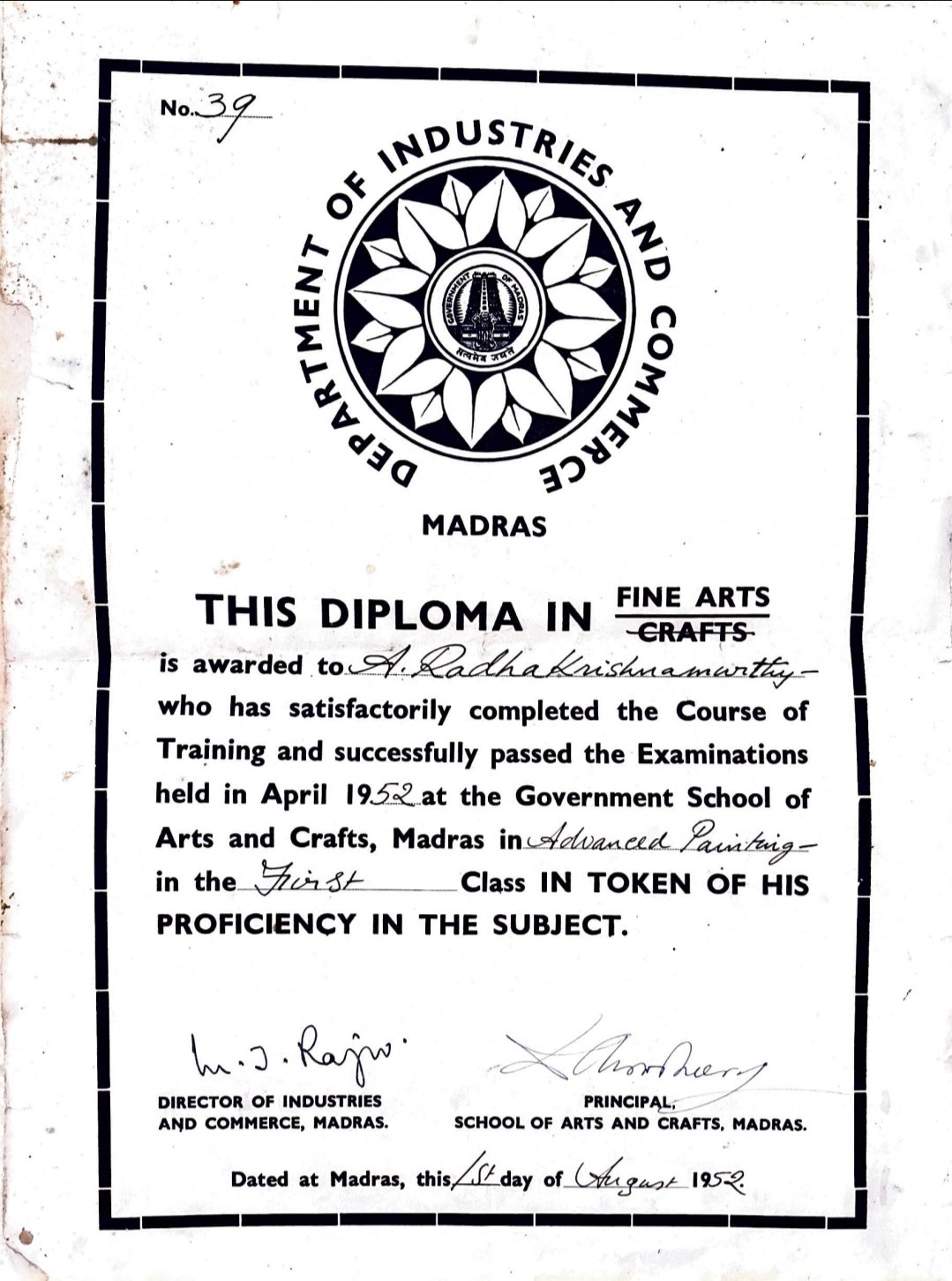
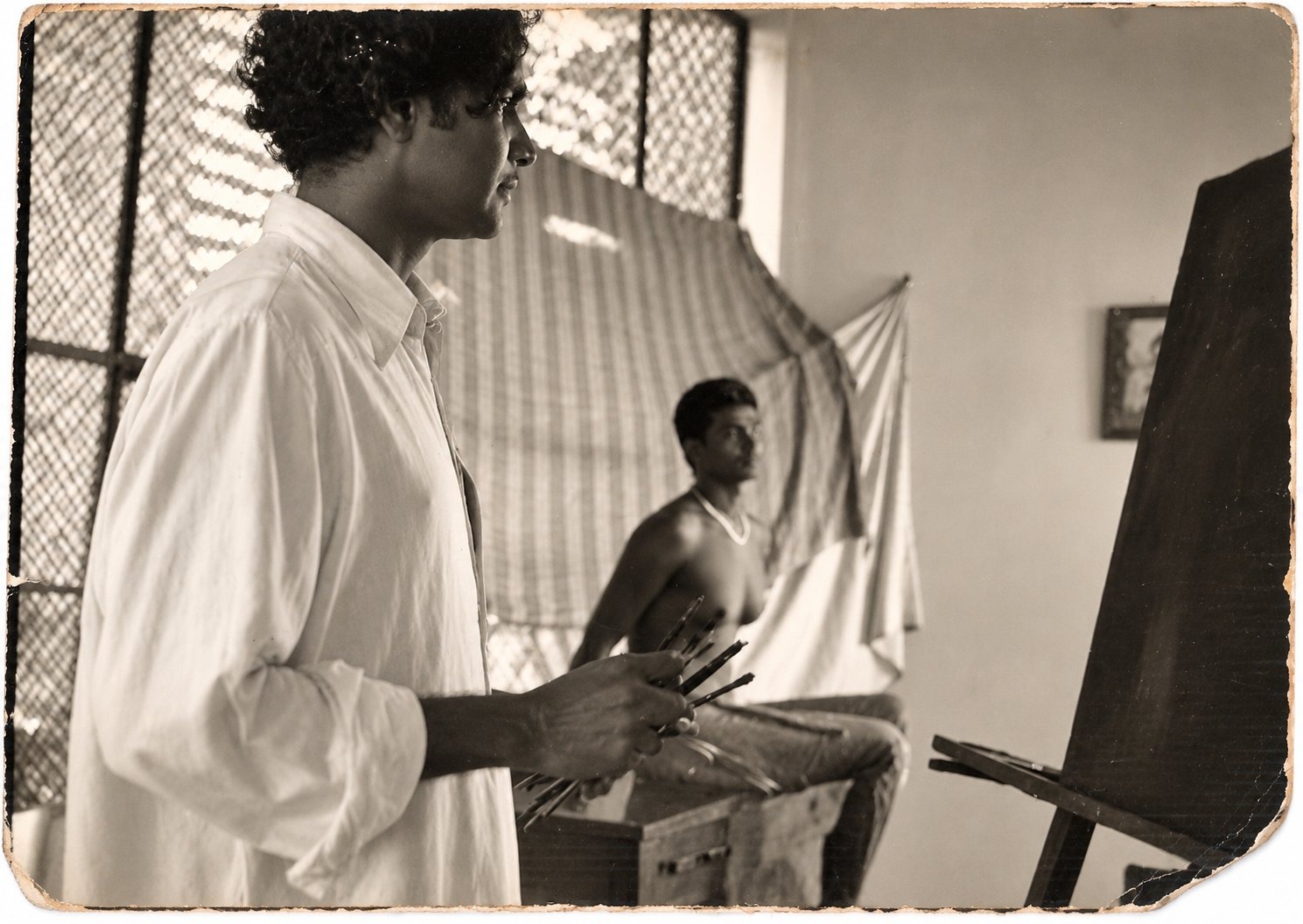
First came study: a Government Diploma of Fine Arts in Chennai, passed with First Class — learning sculpture from Devi Prasad Roy Chowdhury of Bengal.

In 1952 he apprenticed under art director Madhavapeddi Gopalam at Vahini Studio, Madras — the dream factory of Telugu cinema. He rose to become an art director himself at Saradhi Studio.

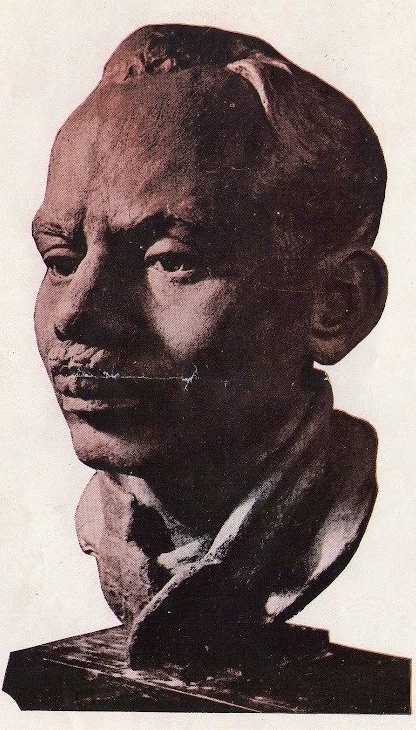
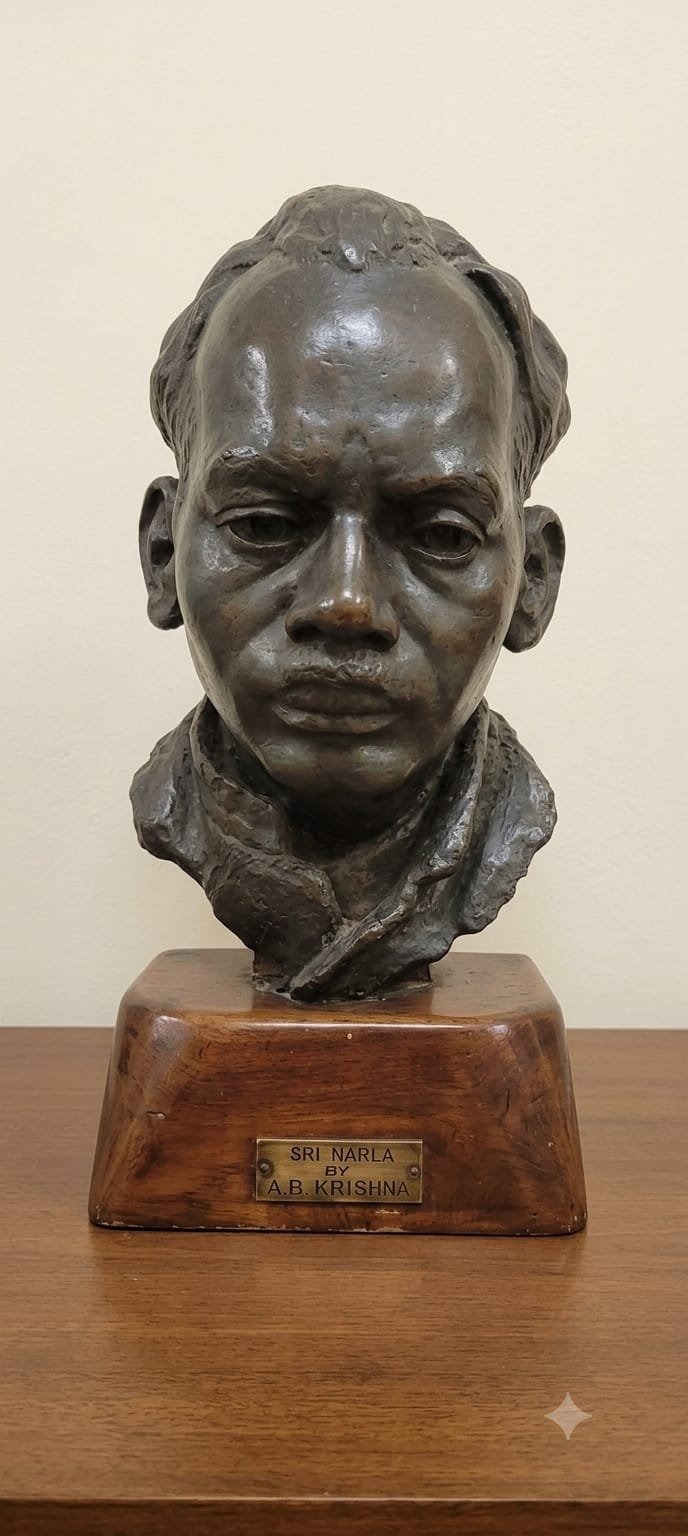
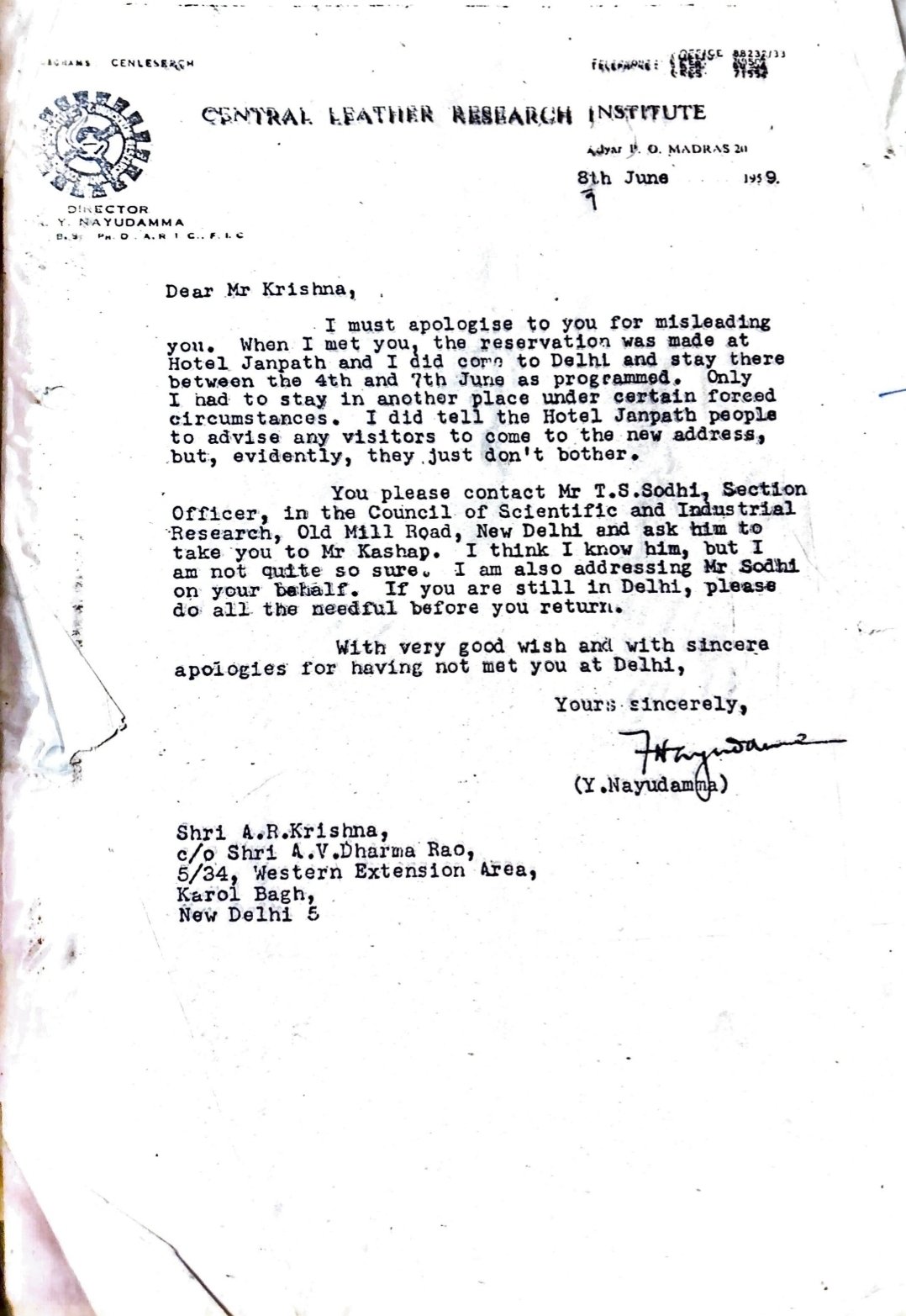
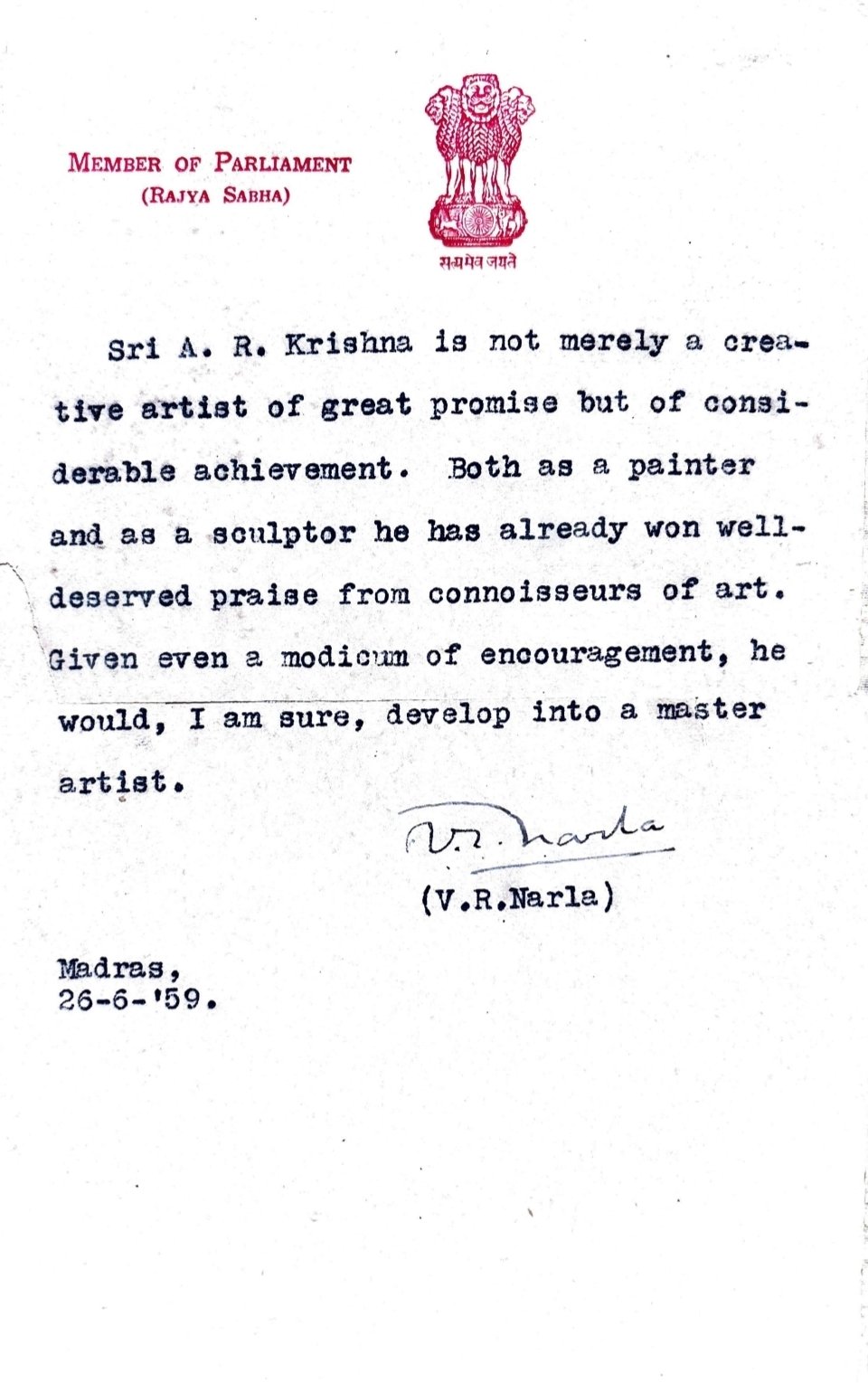
In 1962, on the encouragement — protsaham — of journalist Narla Venkateswara Rao, a family friend who treated him like a younger brother, he moved to Hyderabad. Under Narla's blessings he sculpted prolifically.

03

The Exhibition

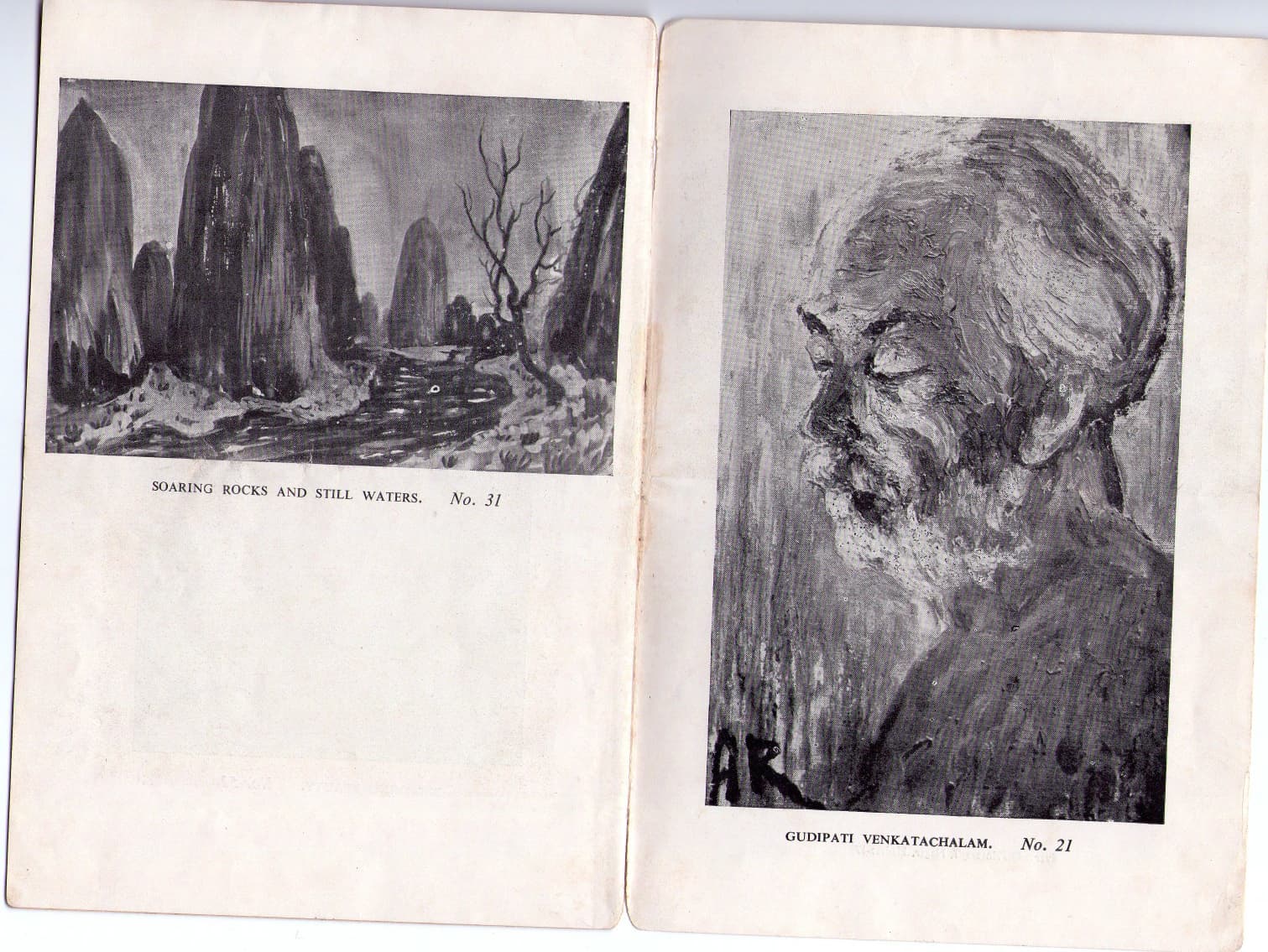
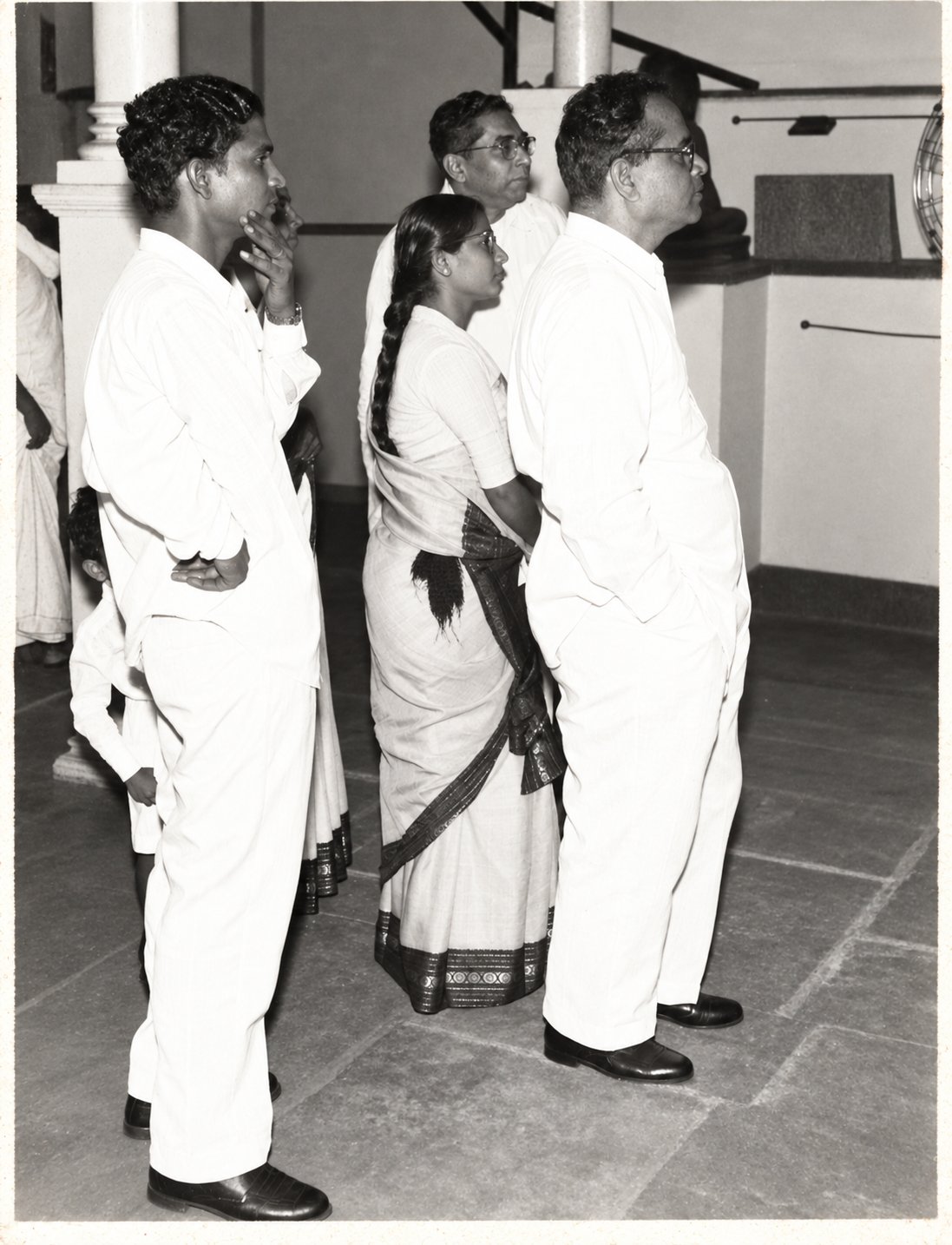
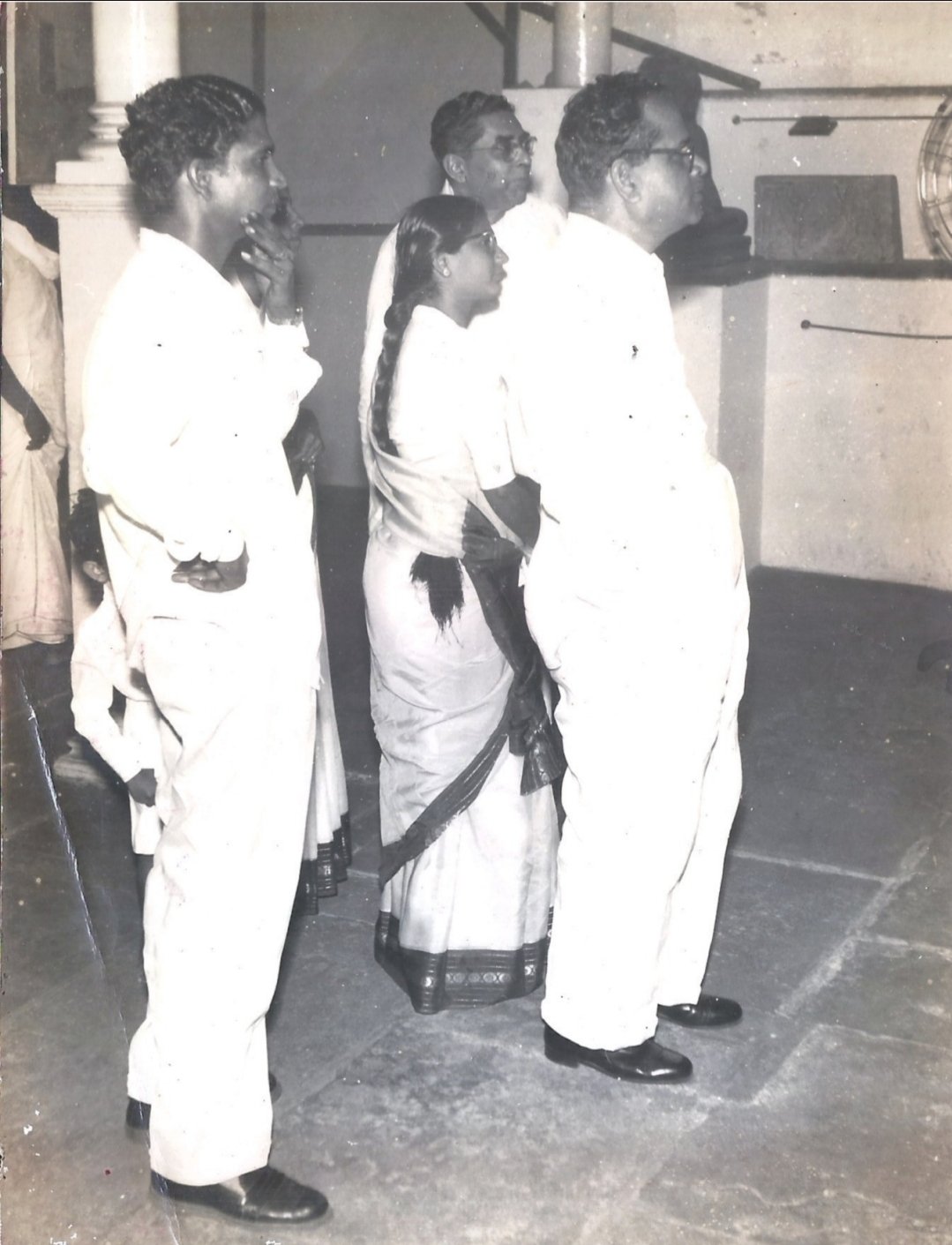
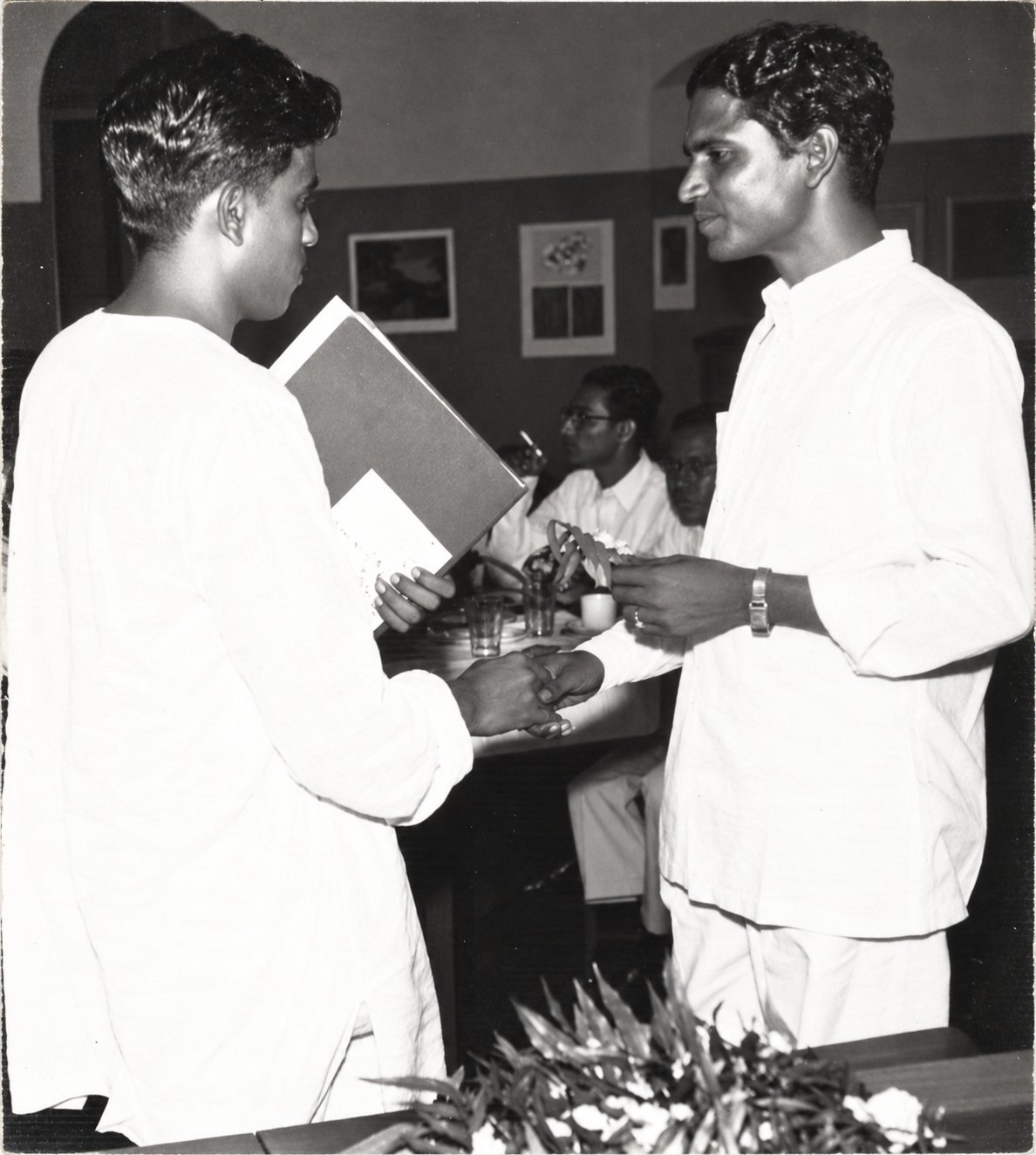
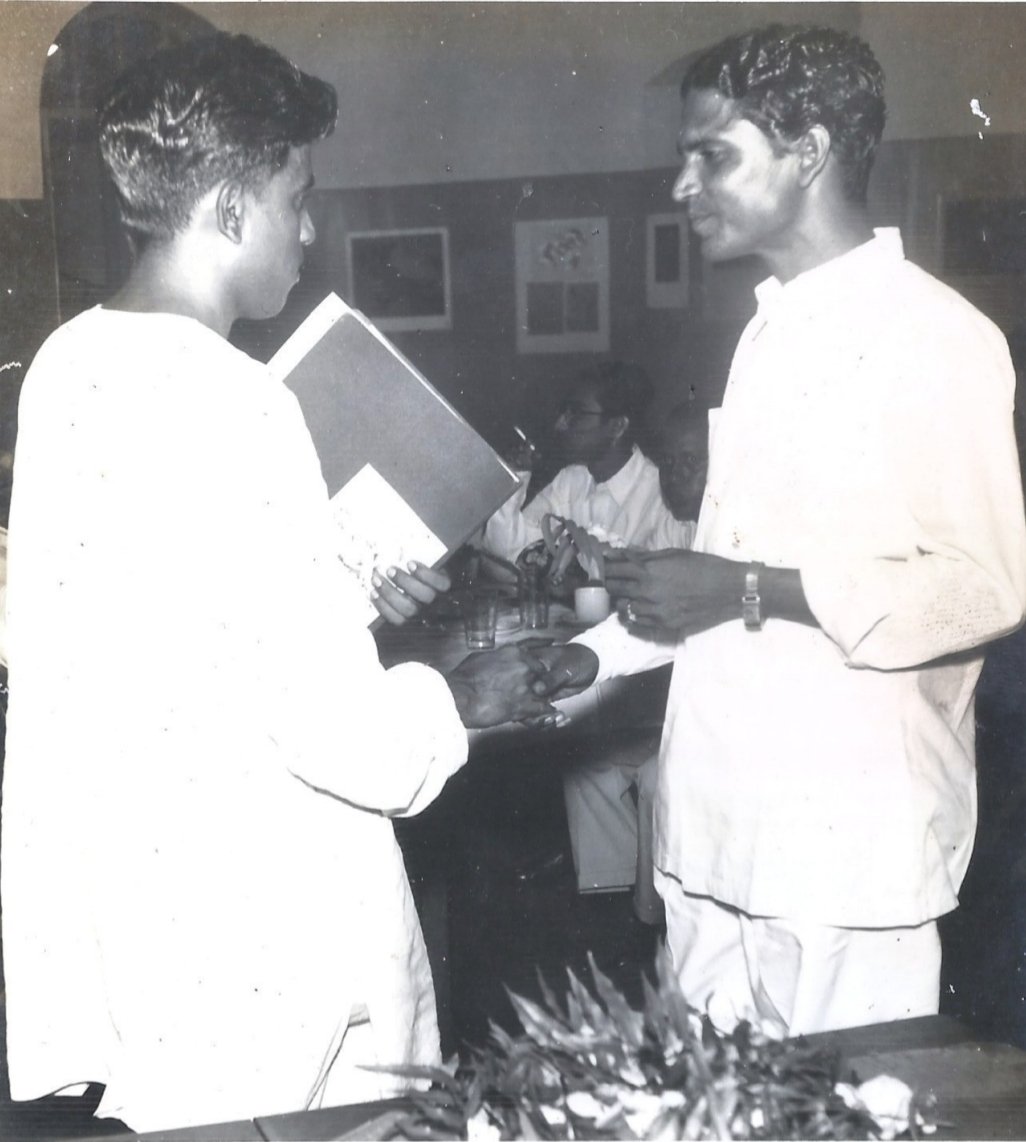
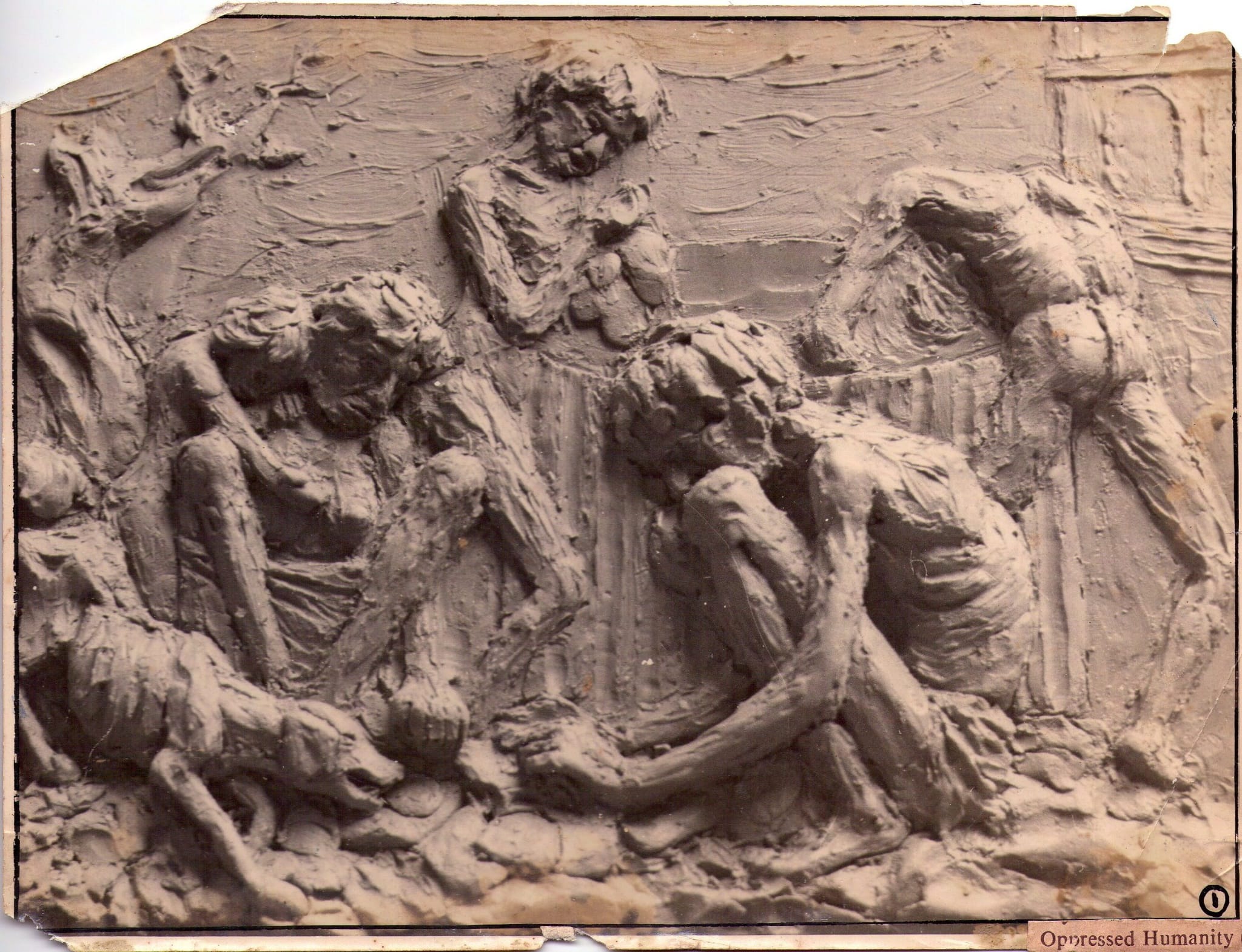
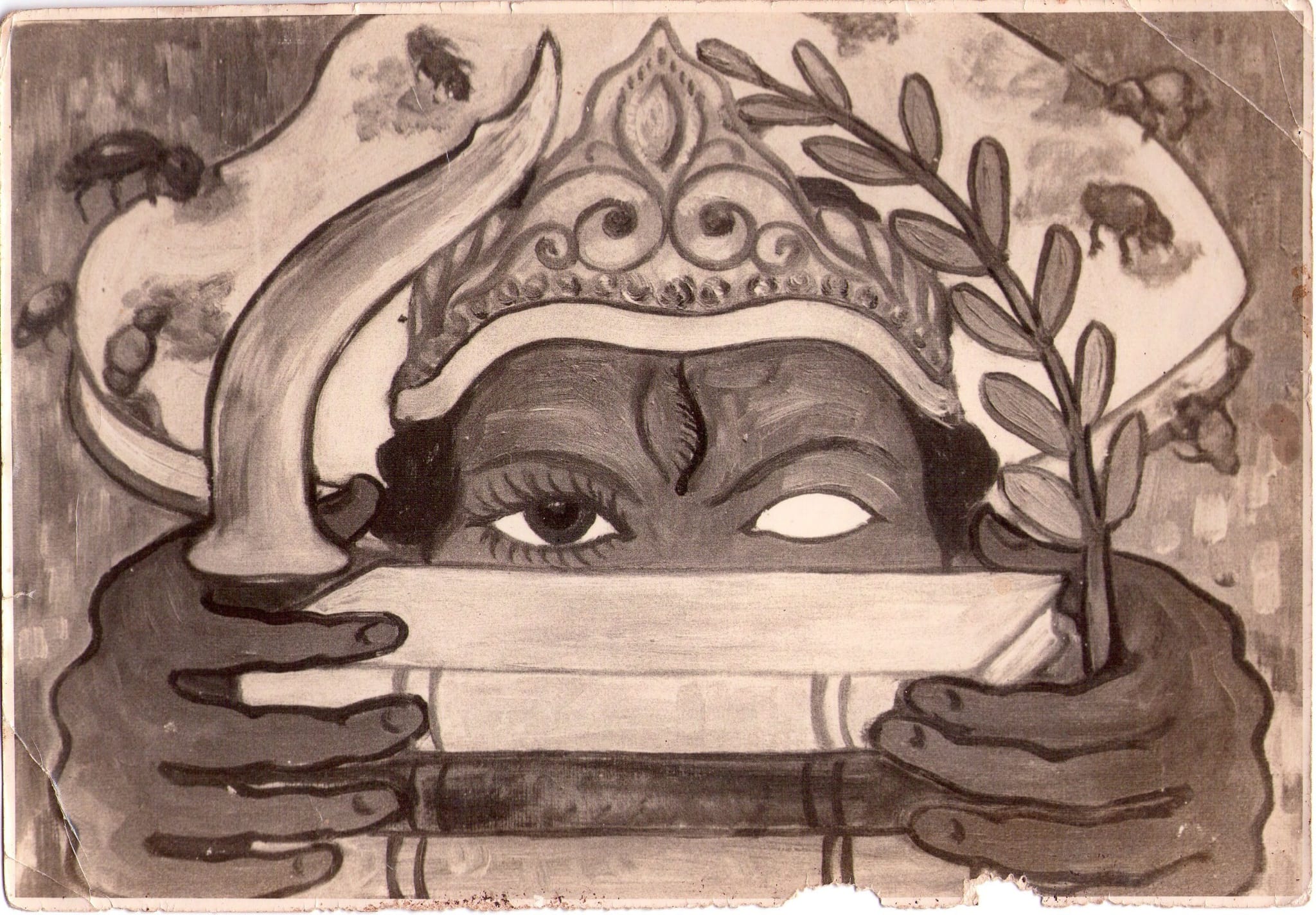
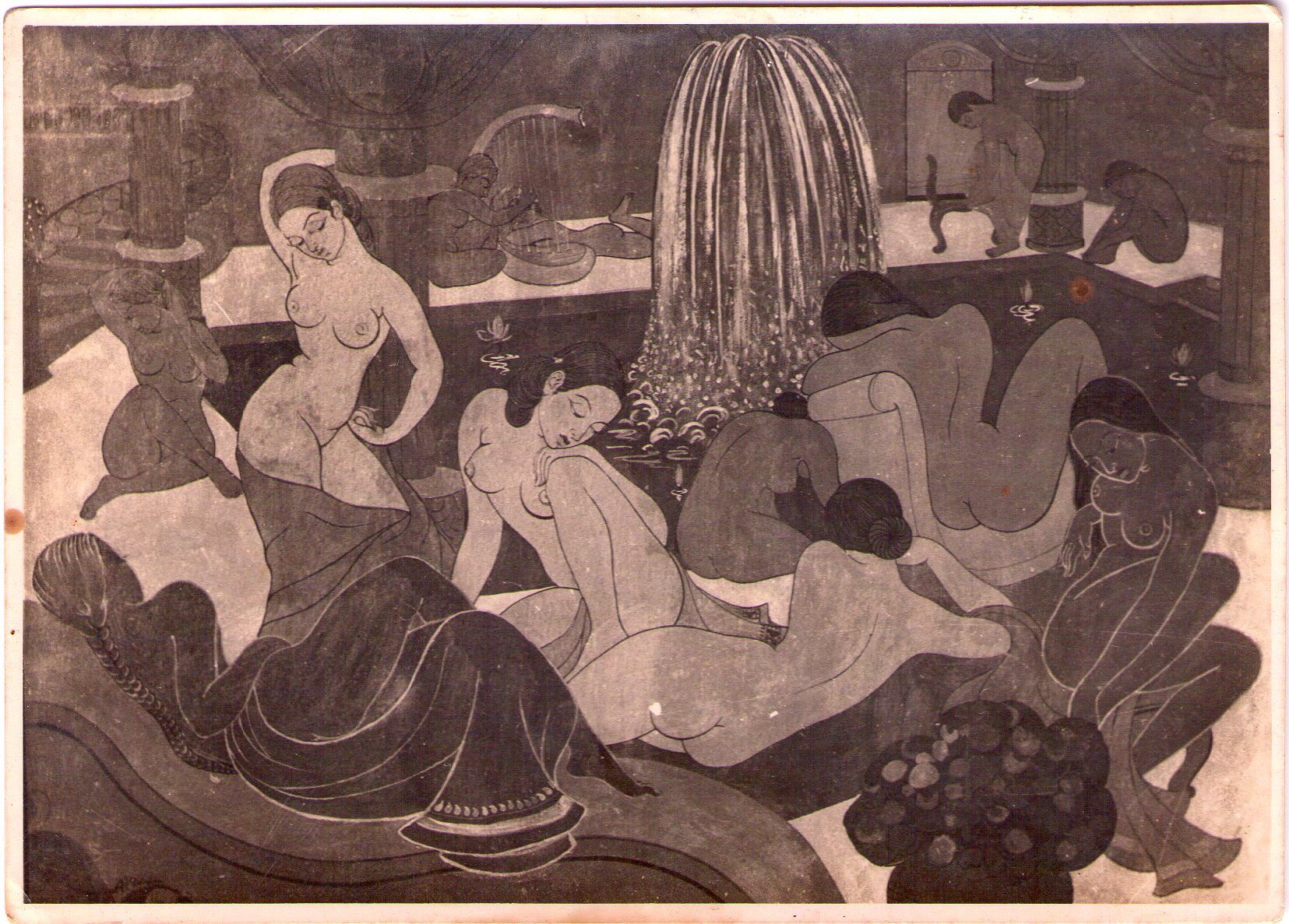
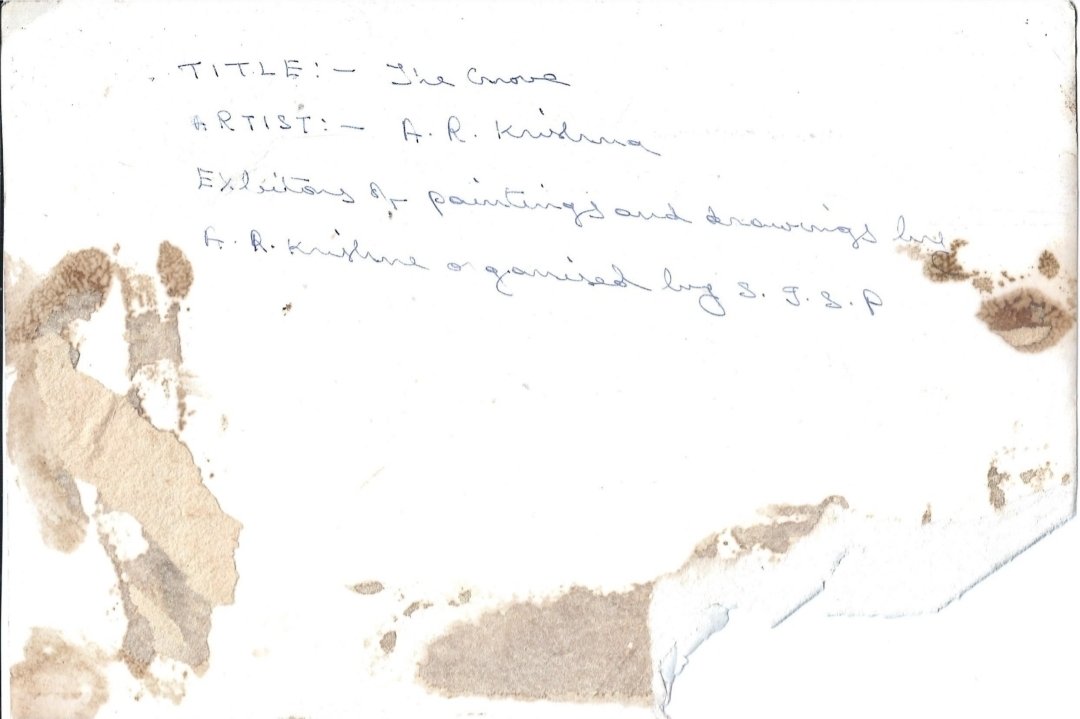
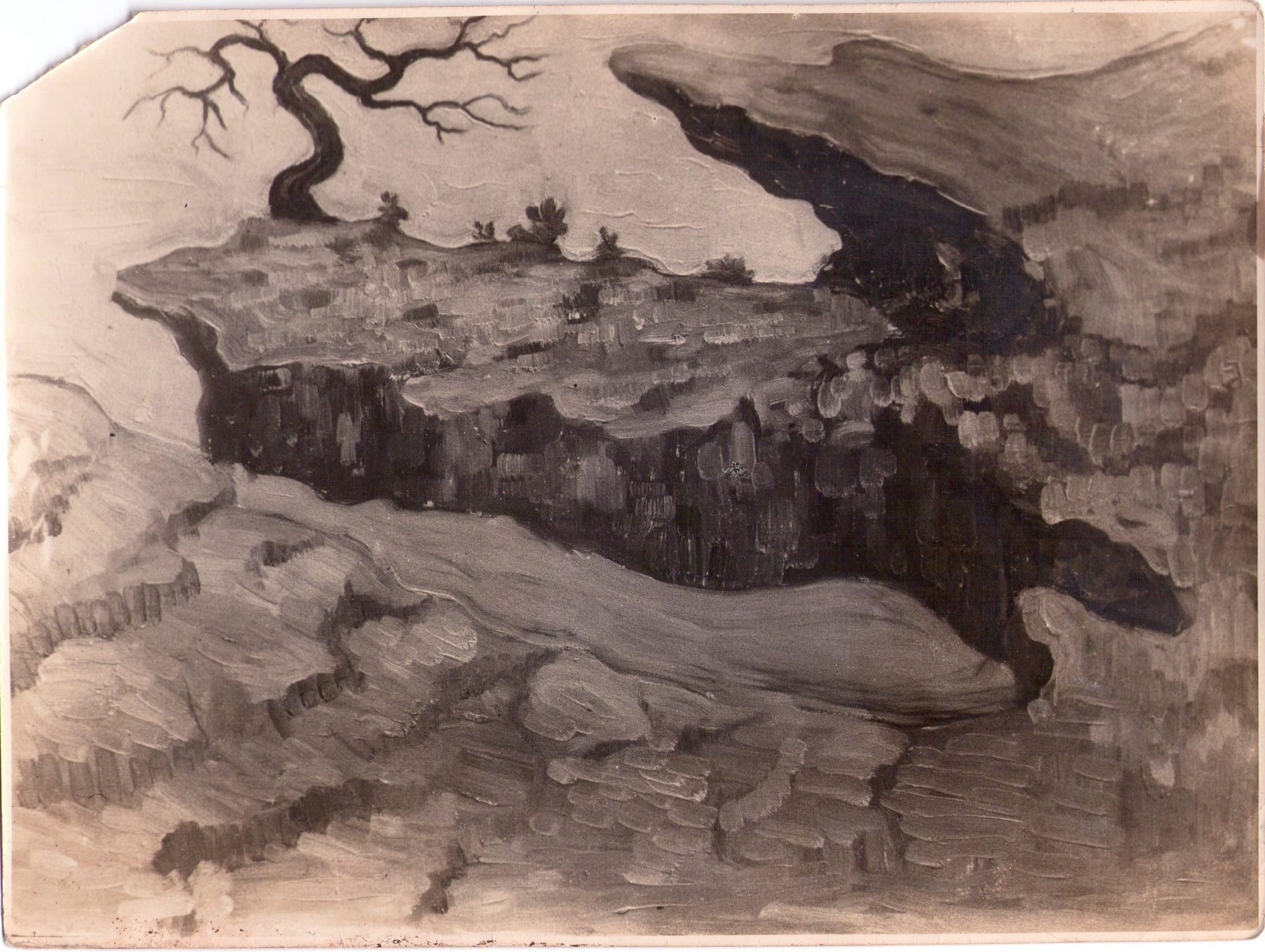
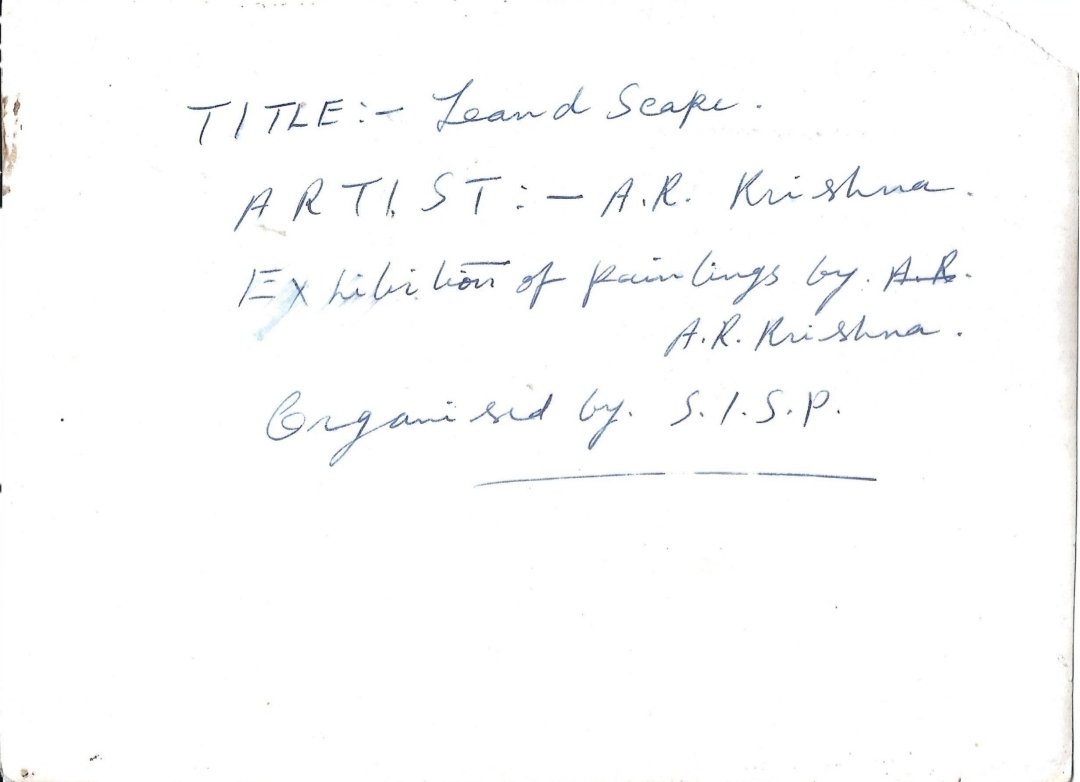
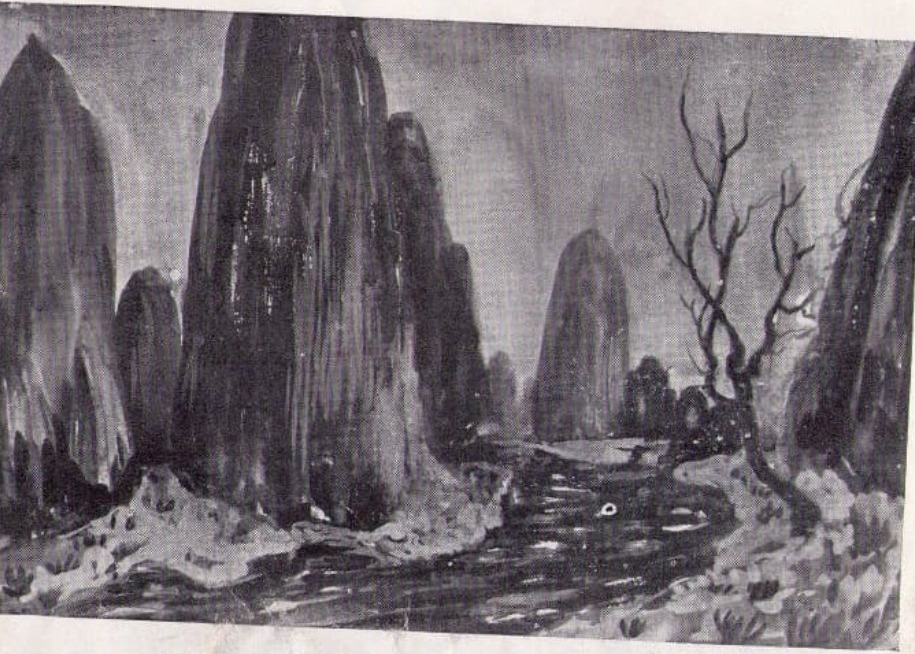
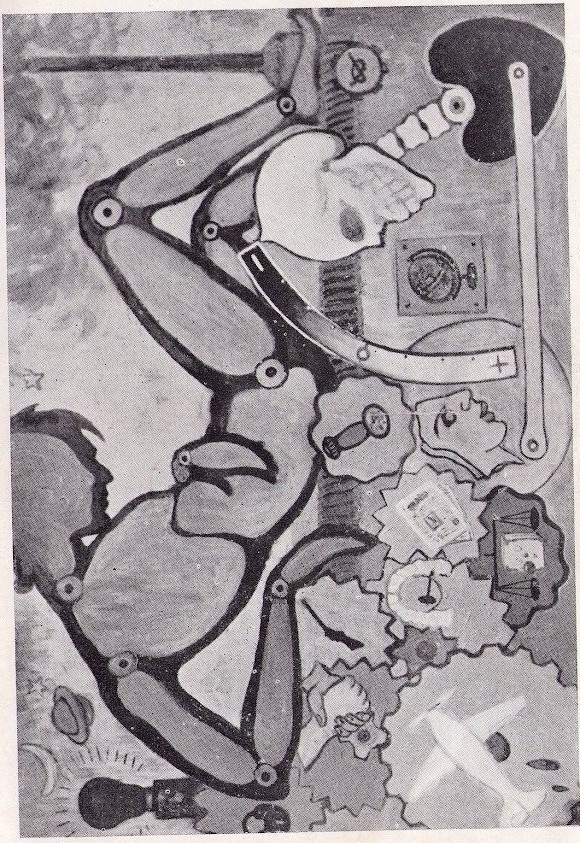
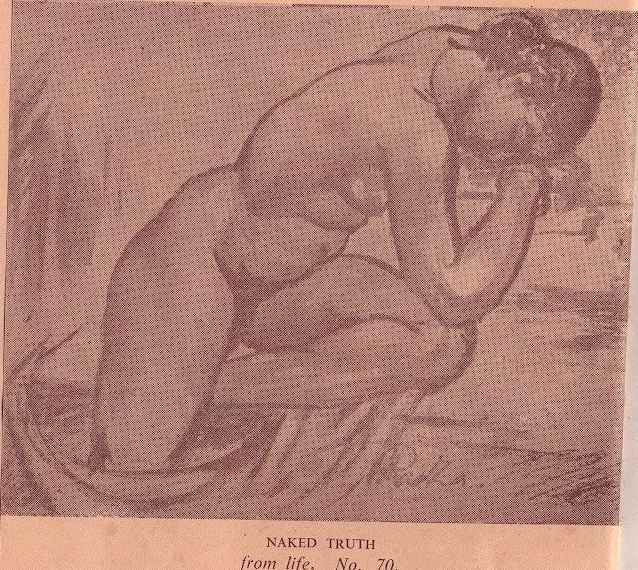
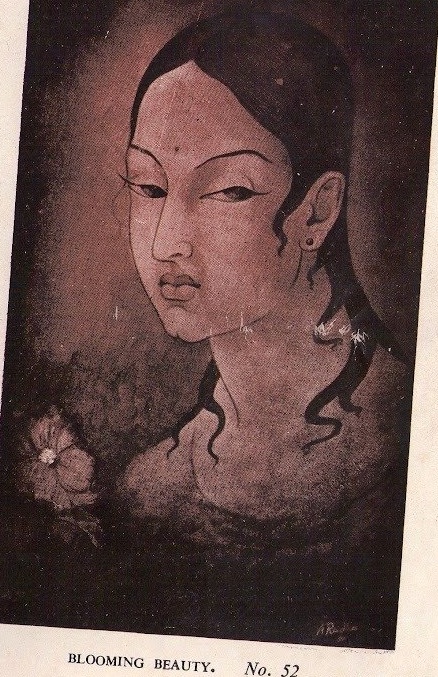
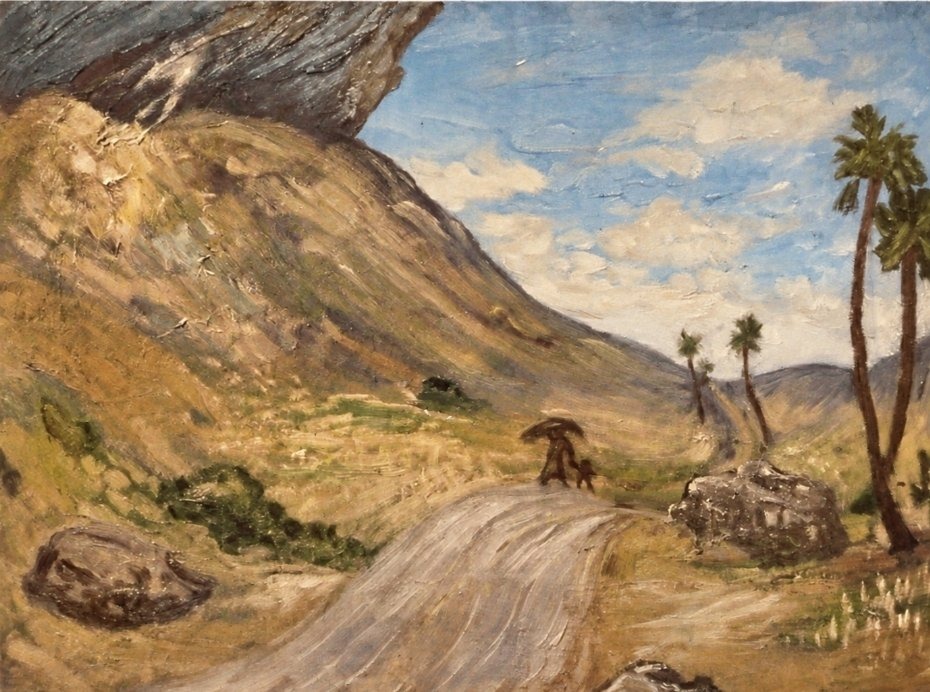
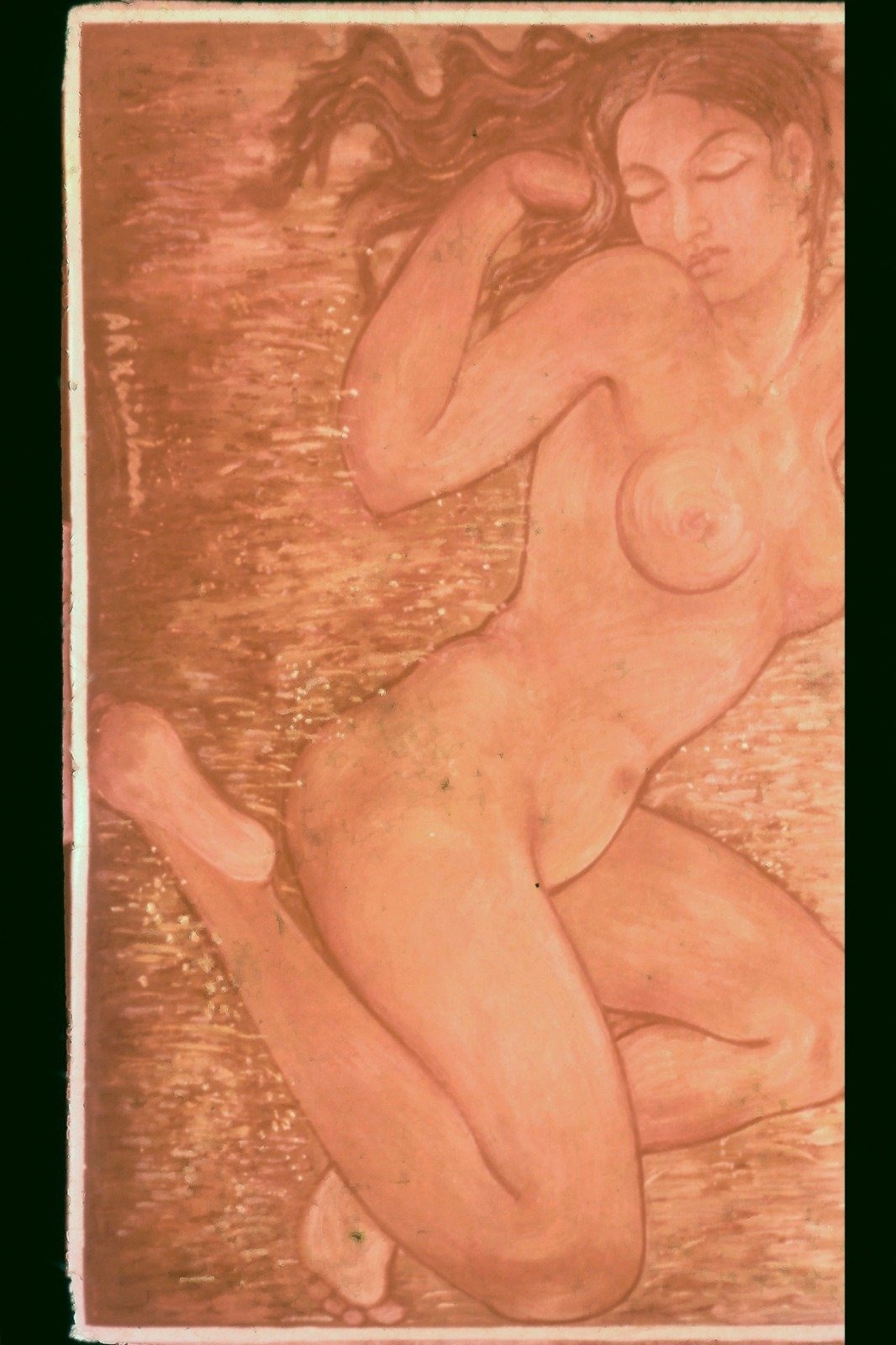
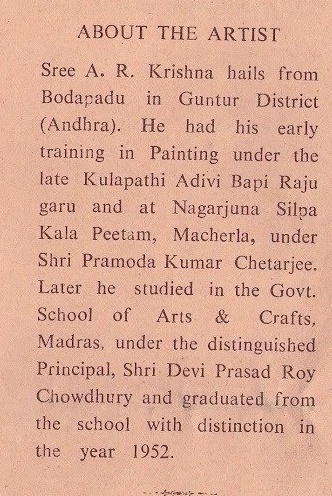
In October 1956, the Government Museum at Egmore hosted his one-man show — paintings, drawings and sculptures together. It was opened by Chief Justice P. V. Rajamannar. The catalogue billed him simply: A. R. KRISHNA.

Then came the invitation that could have changed everything: a government scholarship to study in Italy. He applied. He was ready. And then smallpox took his eldest daughter, and he could not leave his family in their grief. He let Italy go — and stayed with the people he loved.

1956 exhibition catalogue

1956 exhibition catalogue pages
The 1956 catalogue: “Oppressed Humanity” No. 51 and “Moon and Mood” No. 11.

04

The President

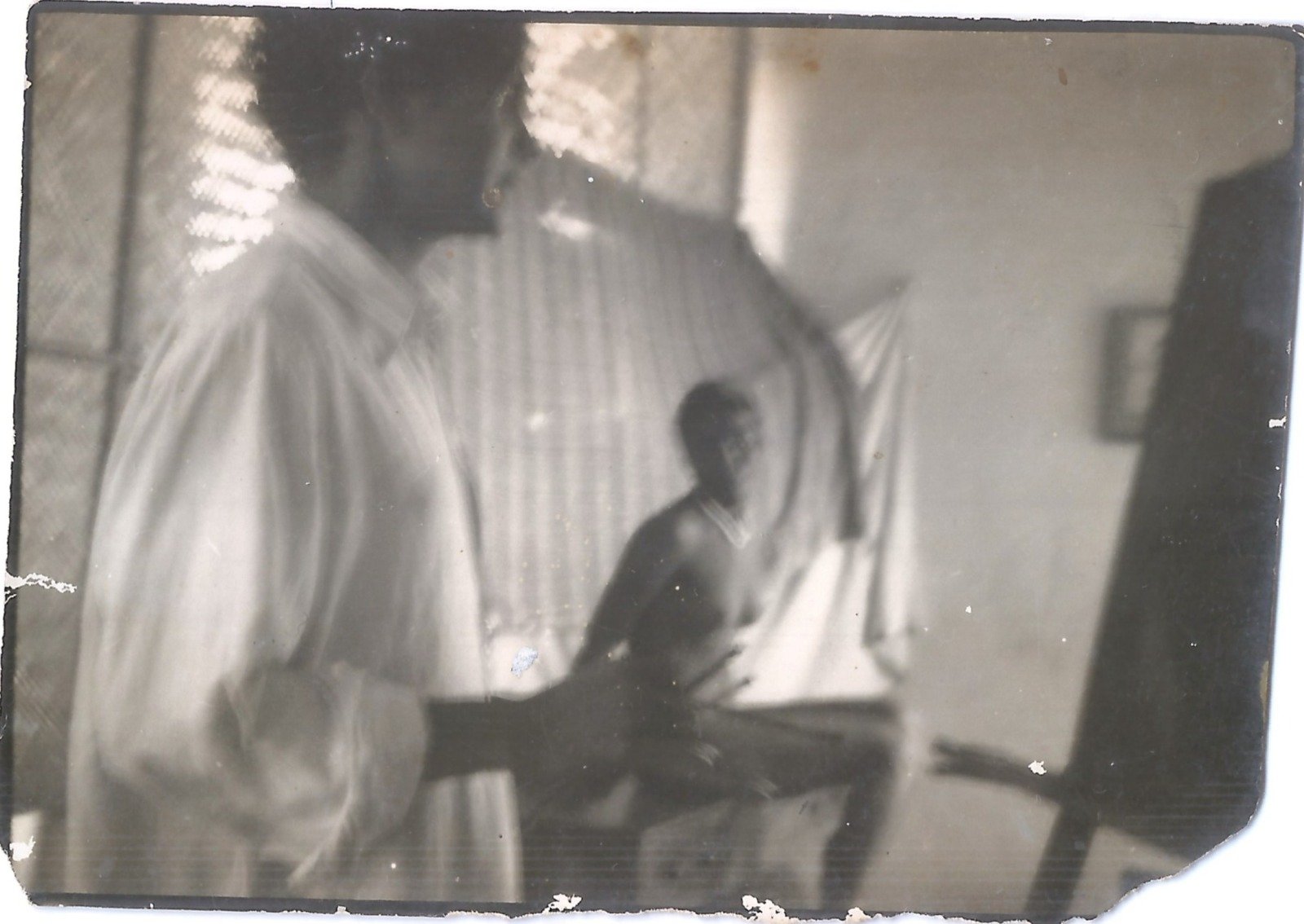
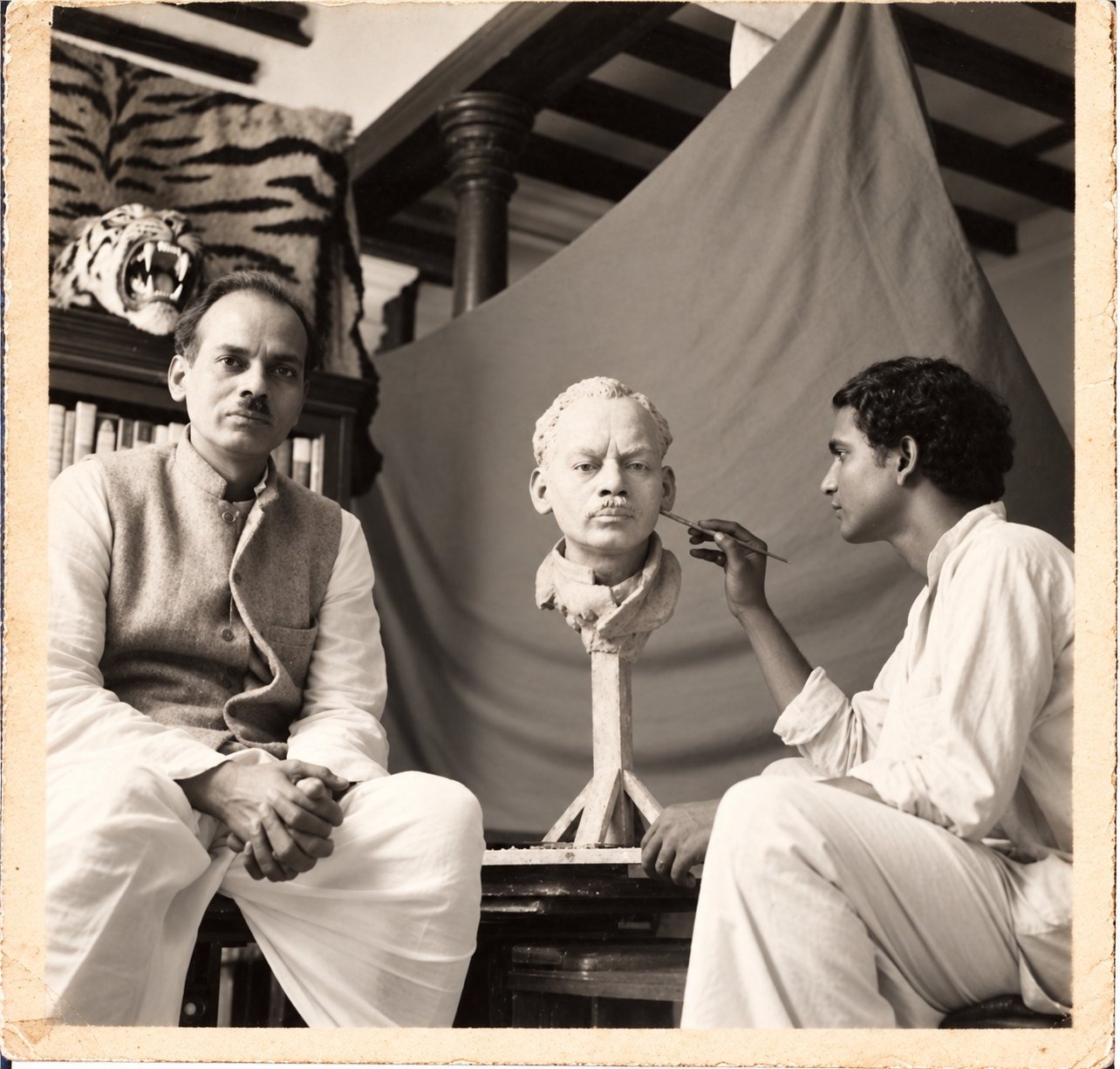
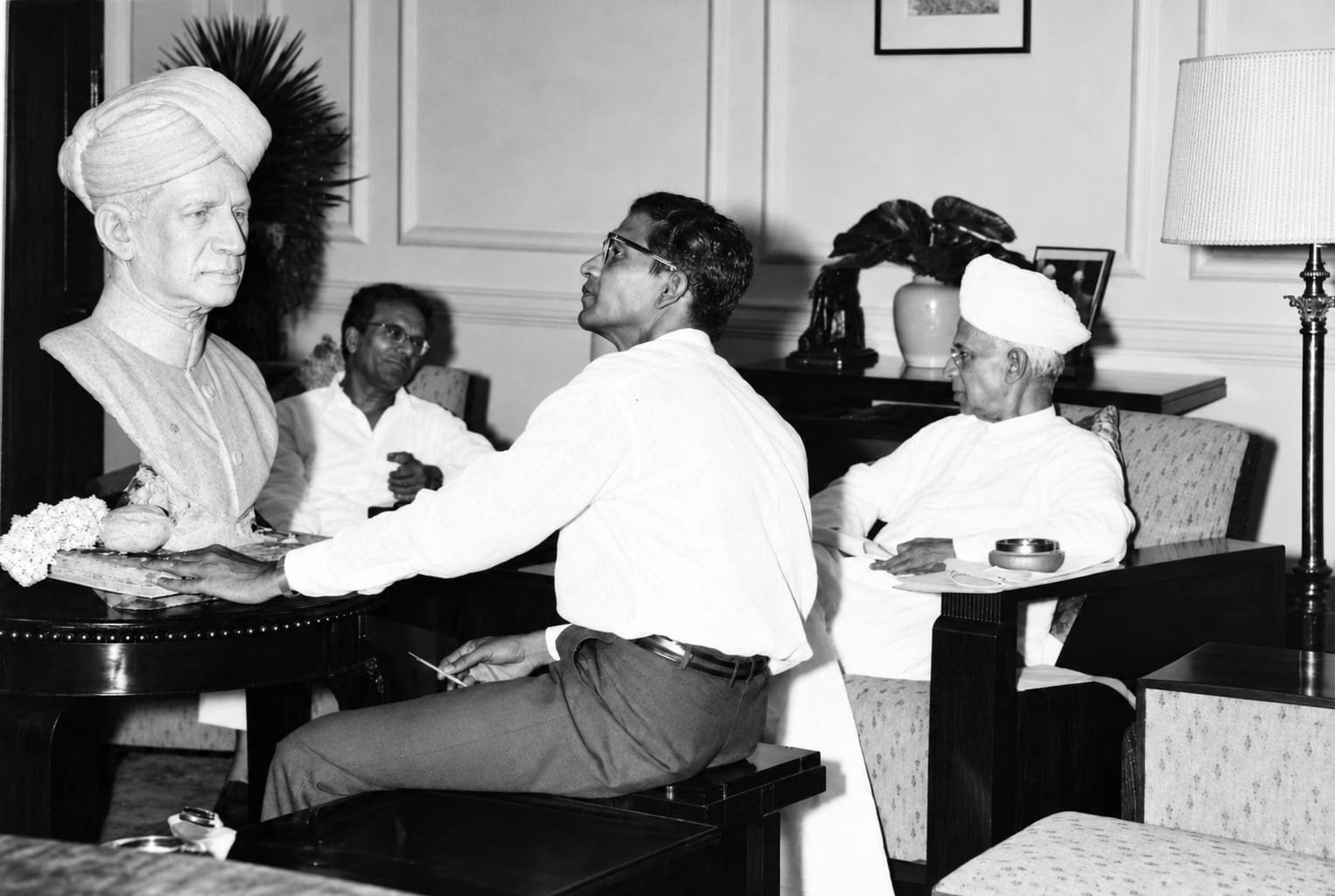
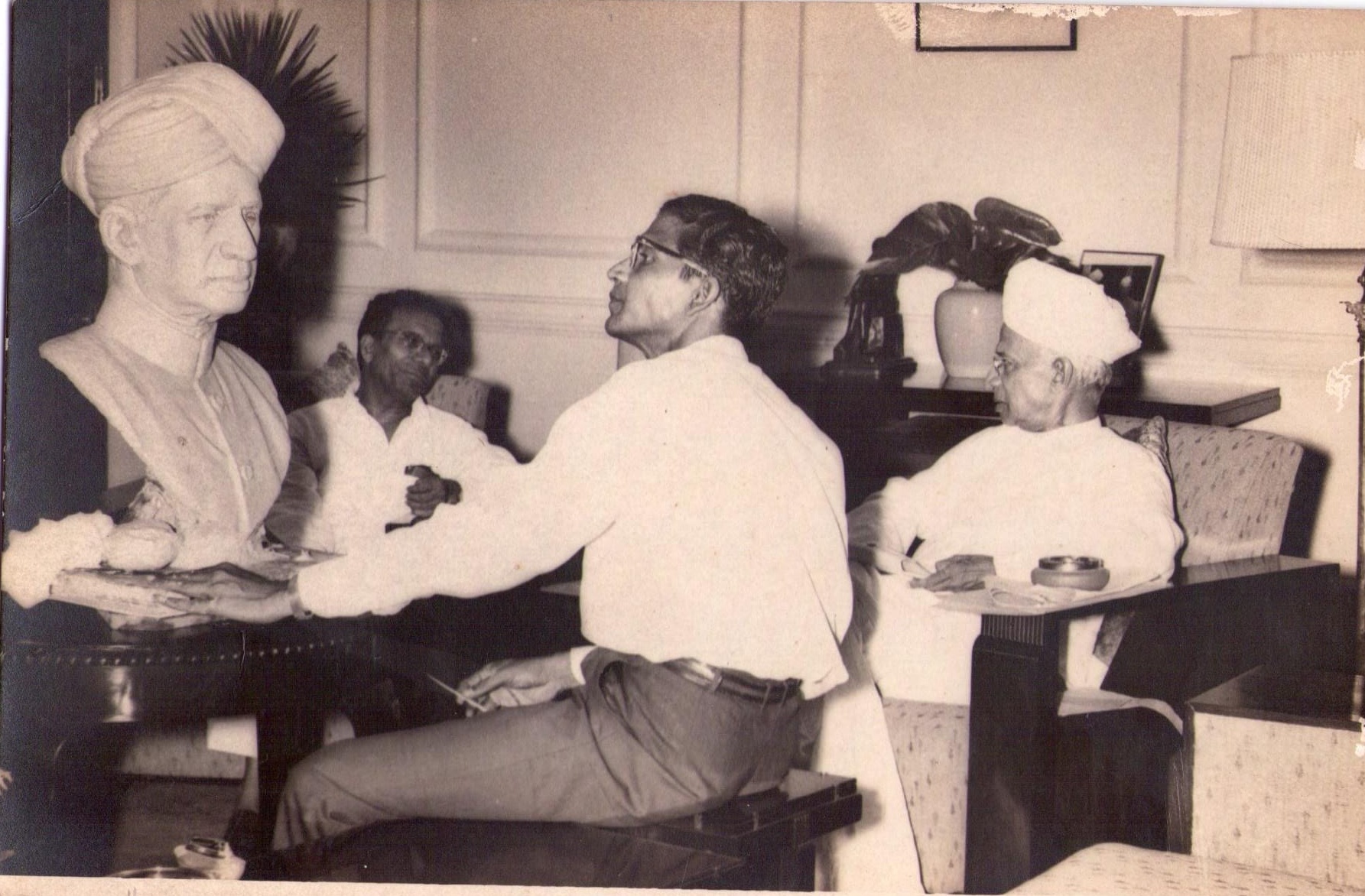
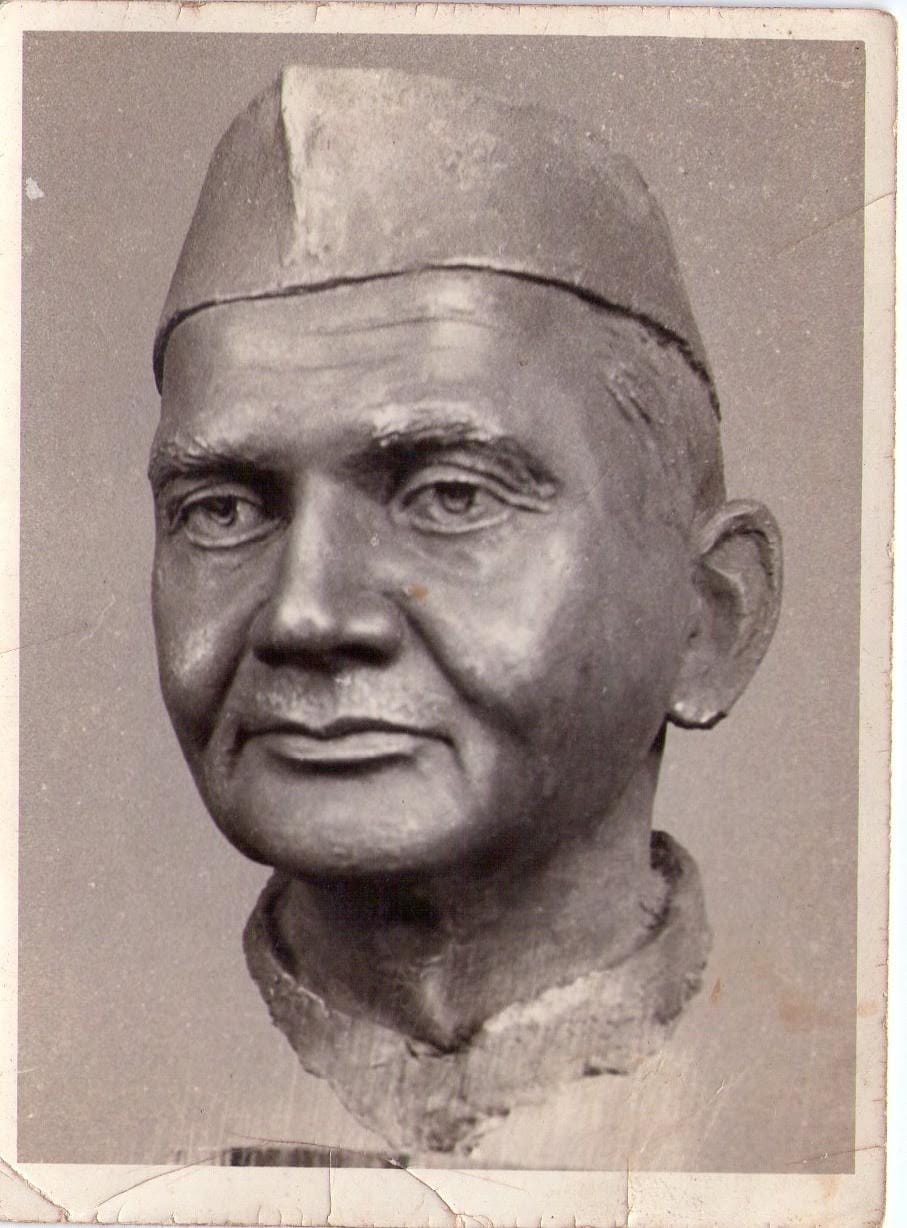
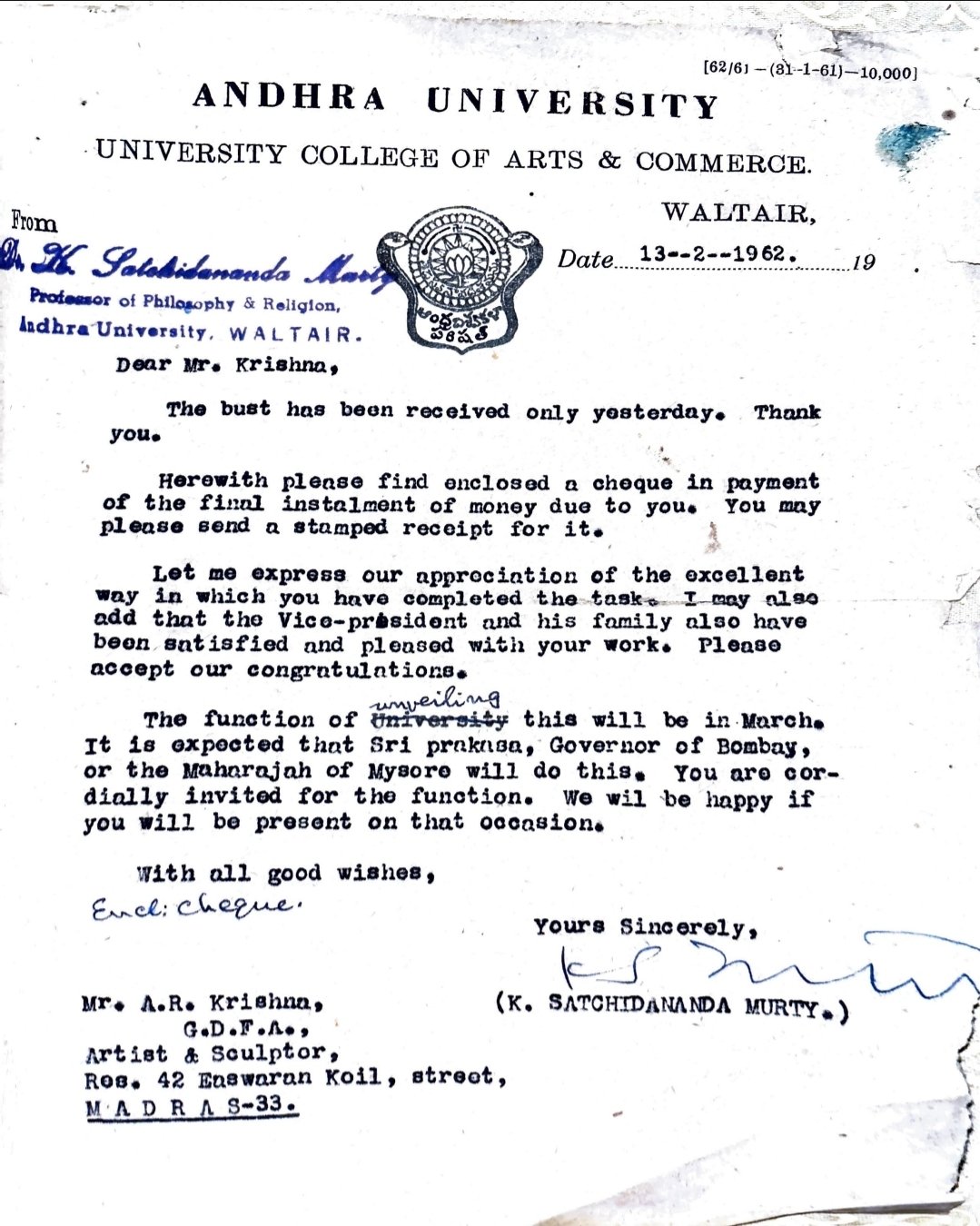
In 1962, his own students — by then professors at Andhra University — introduced him to President Sarvepalli Radhakrishnan. He was invited to Raj Bhavan. Three sittings, thirty minutes each — the President of India sat still while a farmer's son from Bodapadu shaped his likeness in clay. He was one of the few sculptors in Andhra of his time.

Ancha Radhakrishna Murthy sculpting President Sarvepalli Radhakrishnan from life
The sitting itself, photographed: the artist at work beside President Radhakrishnan.

05

The Teacher

In 1964 he completed a postgraduate course in sculpture at the Madras School of Art under Devi Prasad Roy Chowdhury — whose teachers wanted to send him to America for further study.

Everything he had learned, he would one day pass on — to a student history does remember.

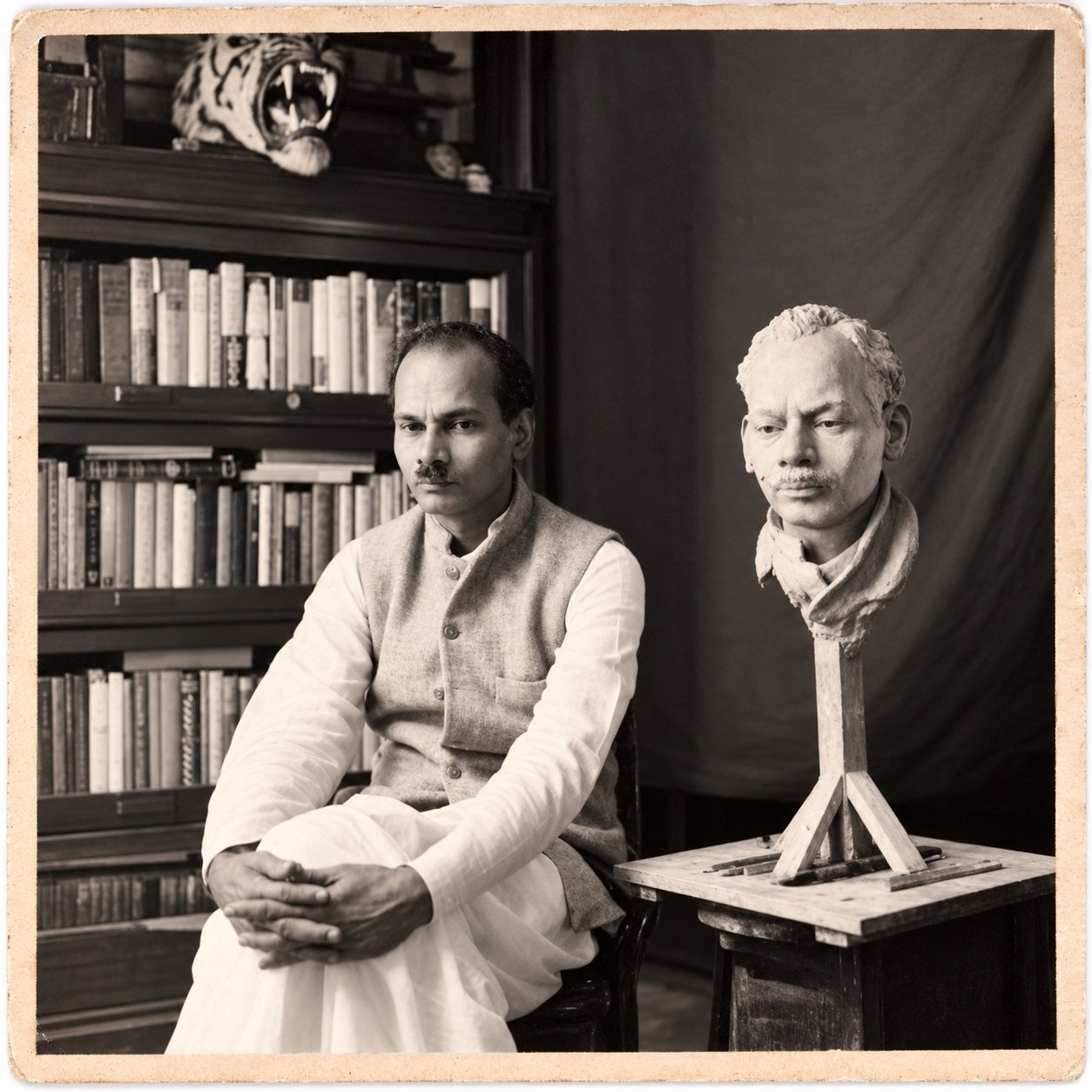
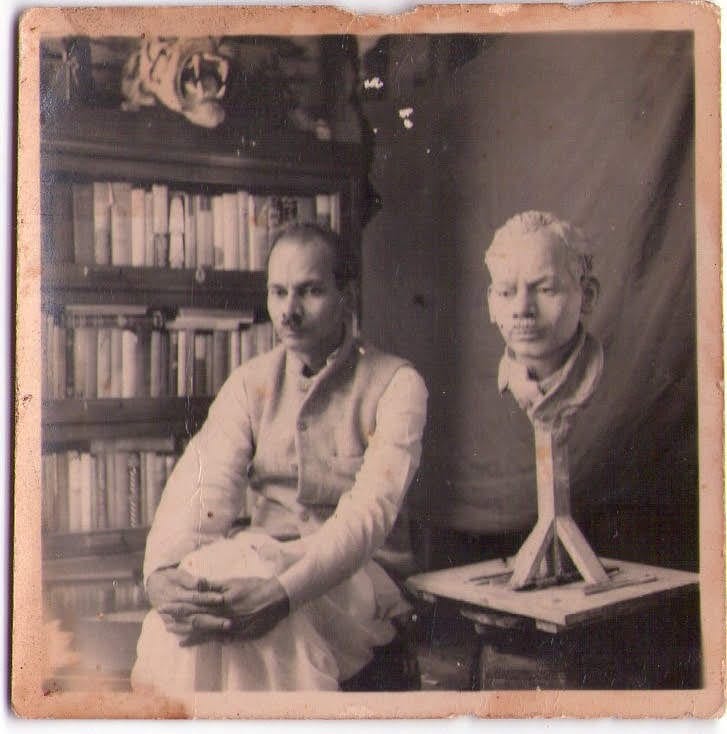
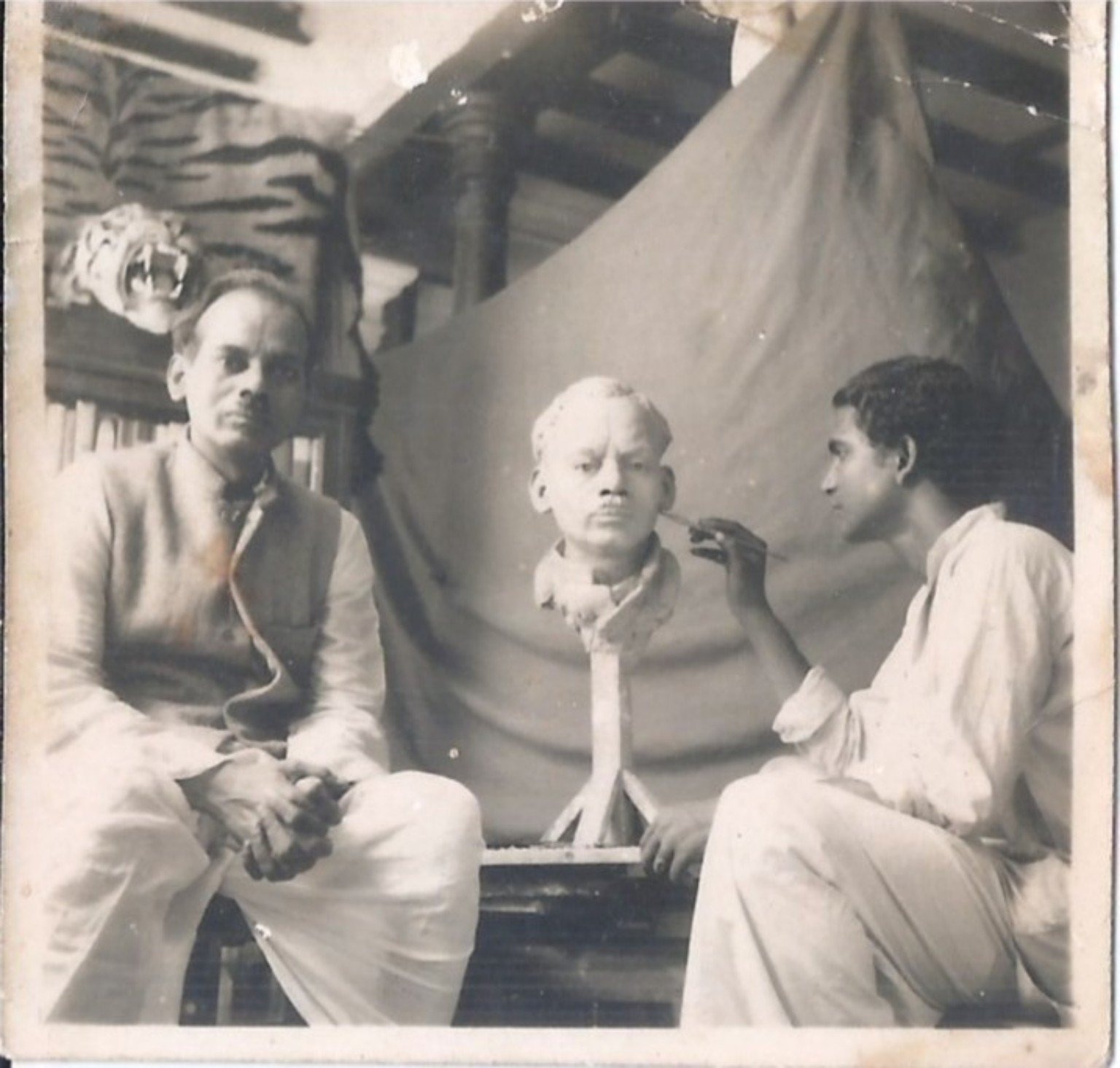
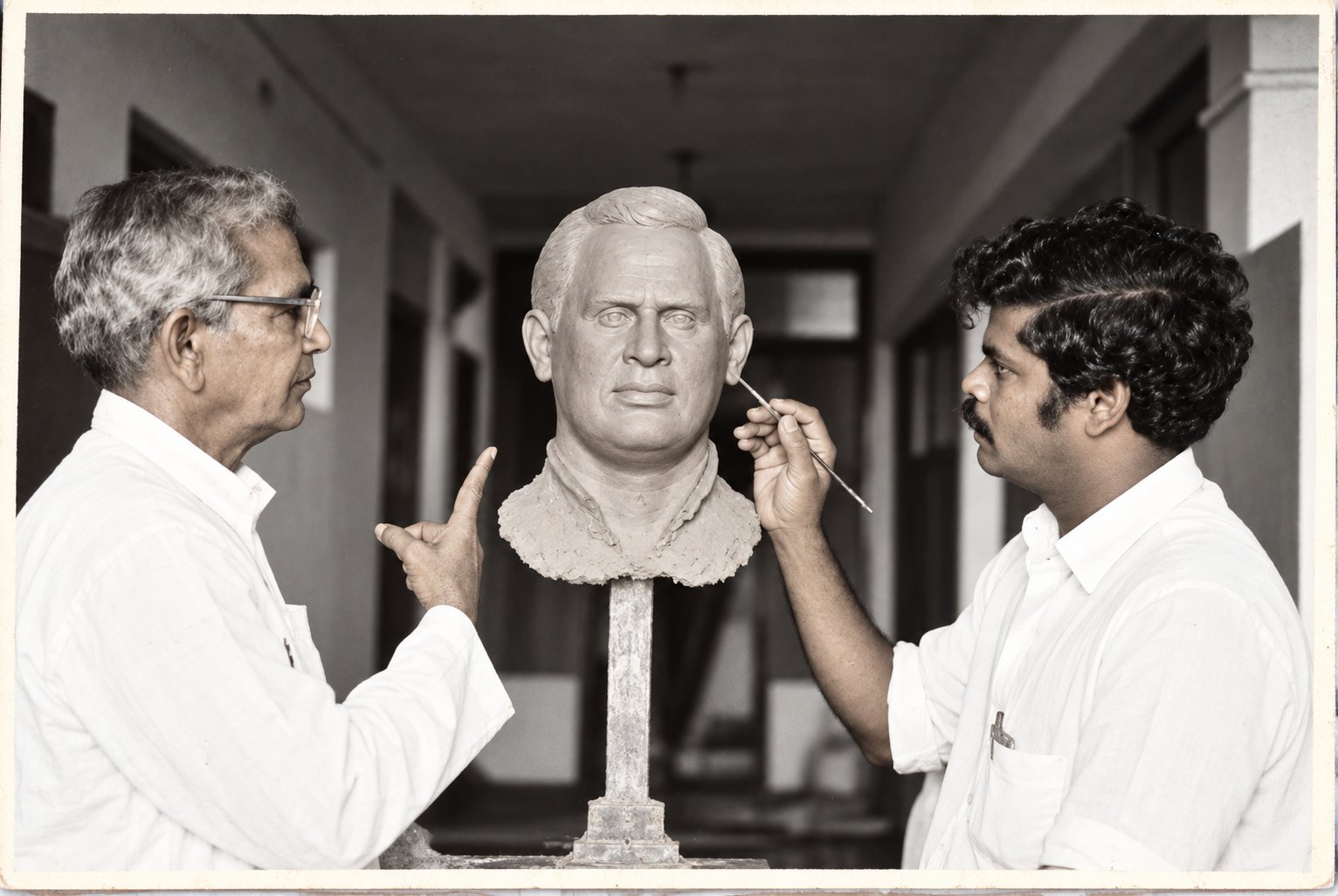
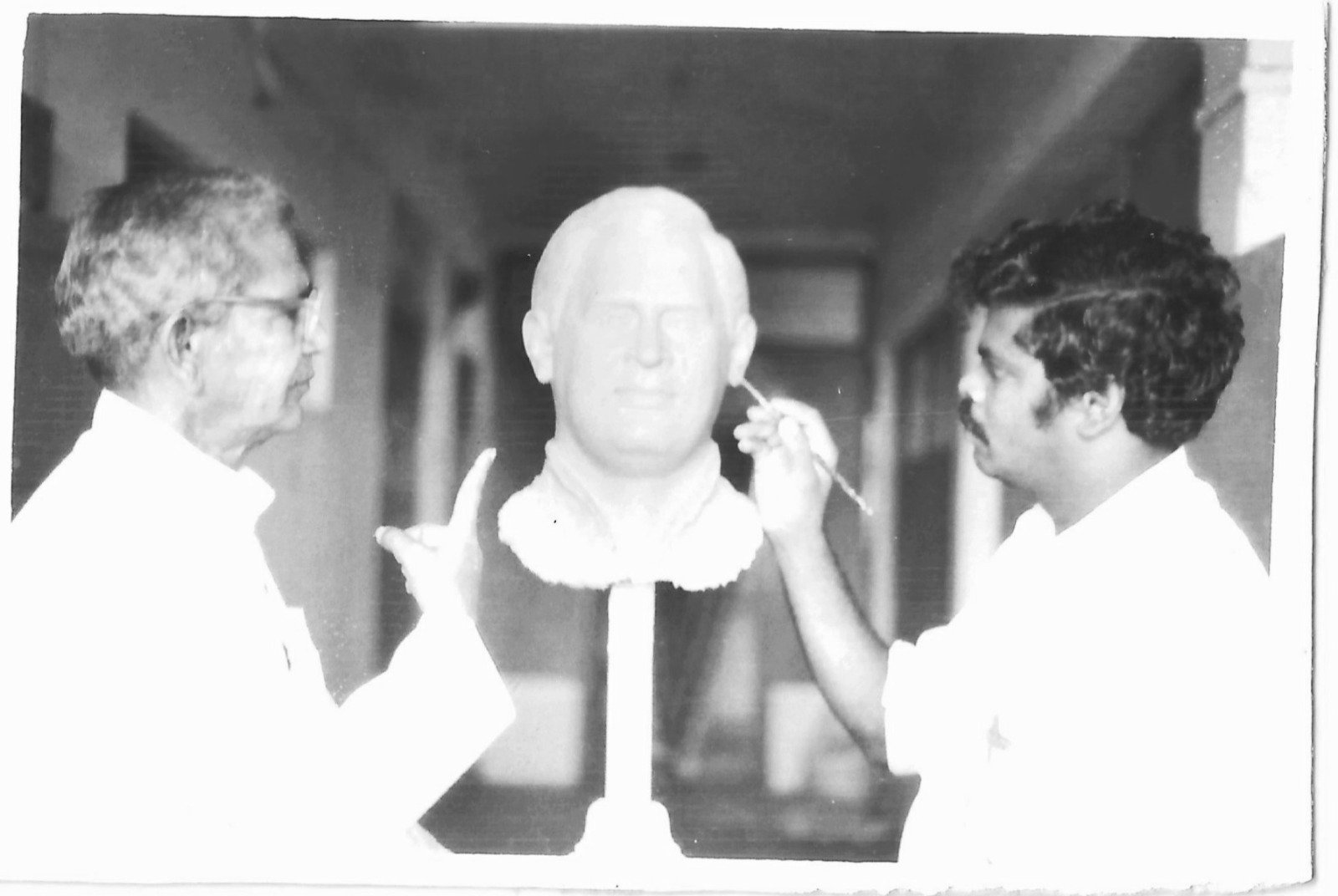
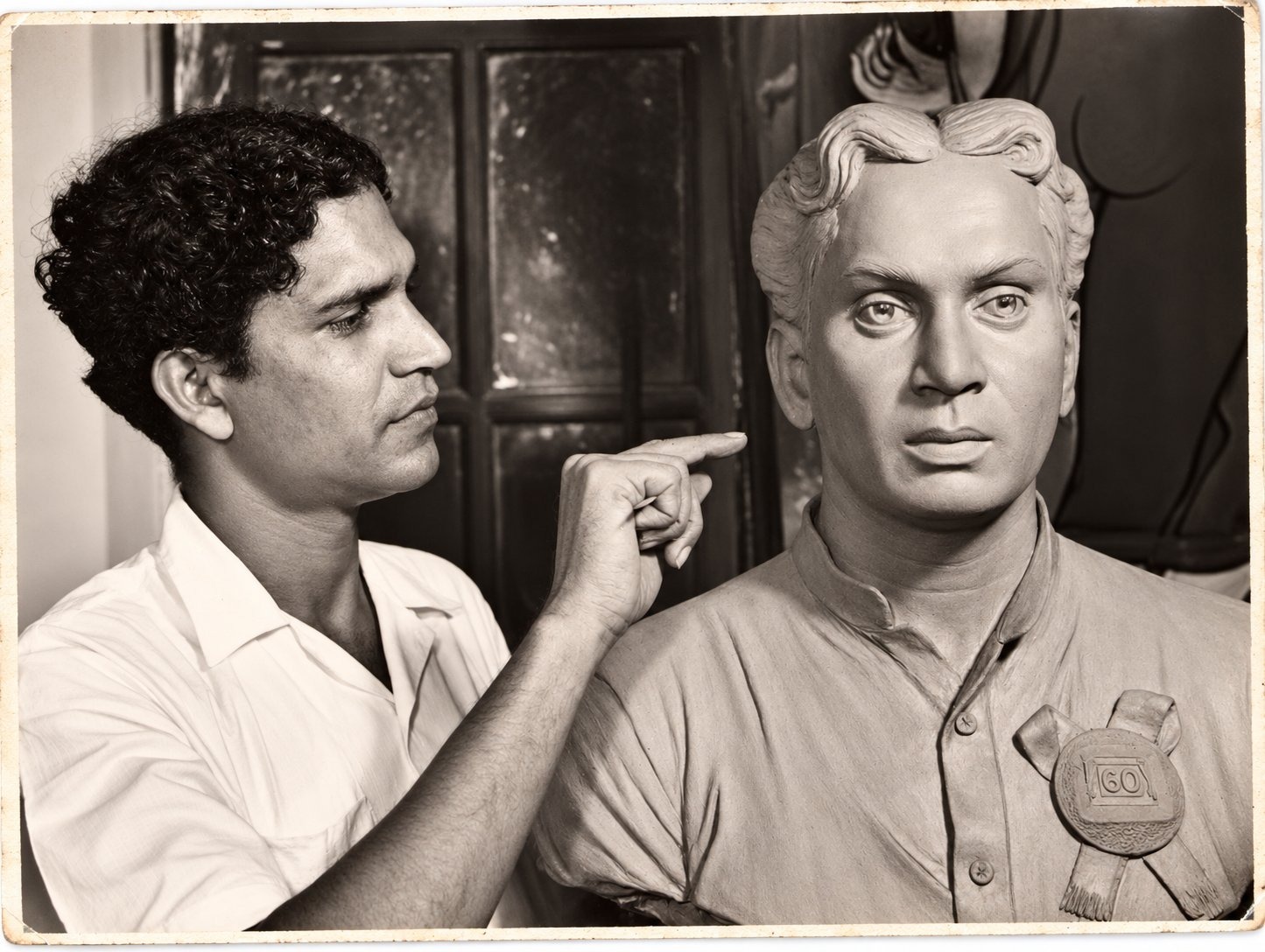
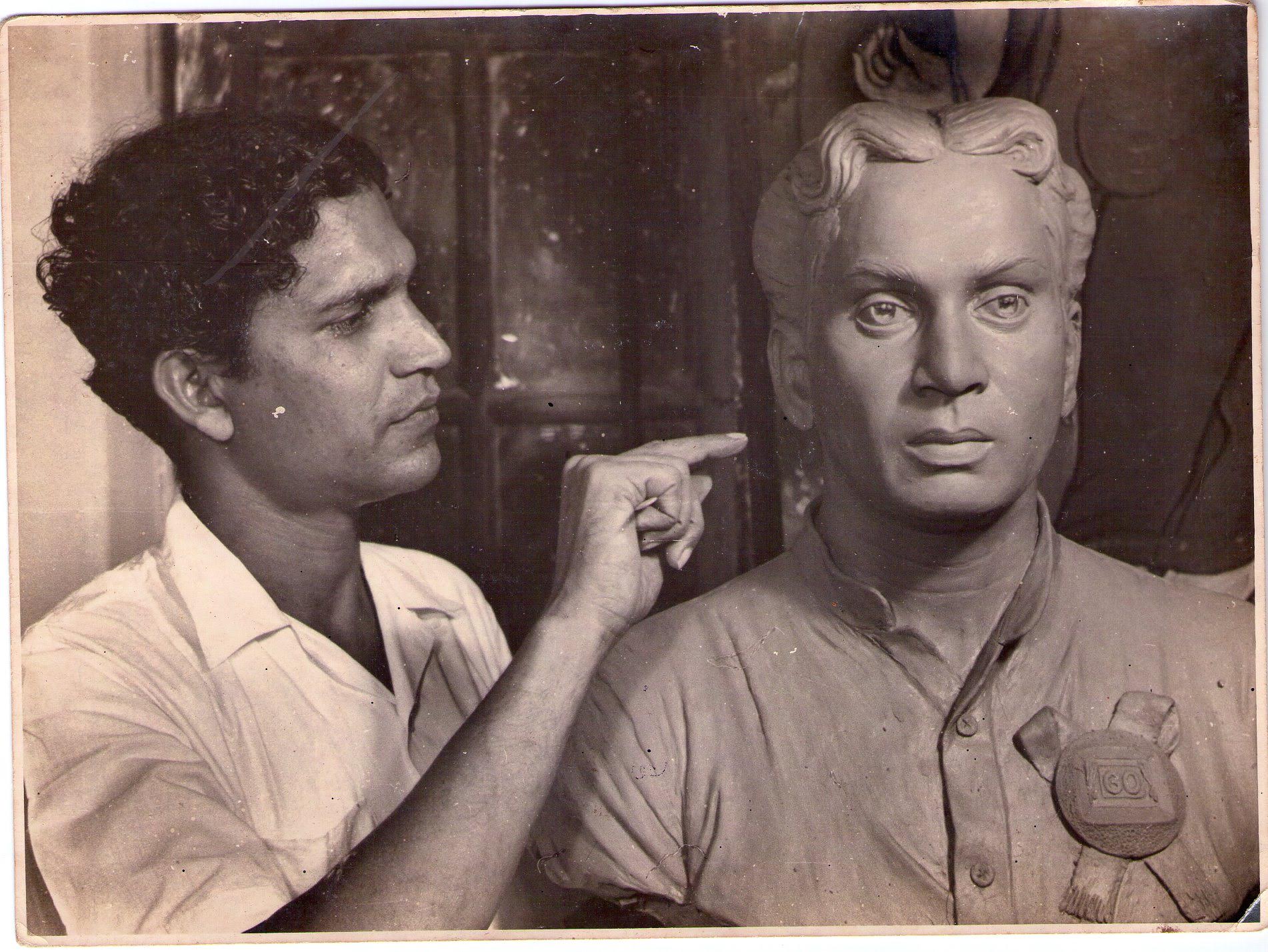
The artist in his studio beside a clay bust
In the studio with the Narla Venkateswara Rao bust, 1959.

06

The Musician

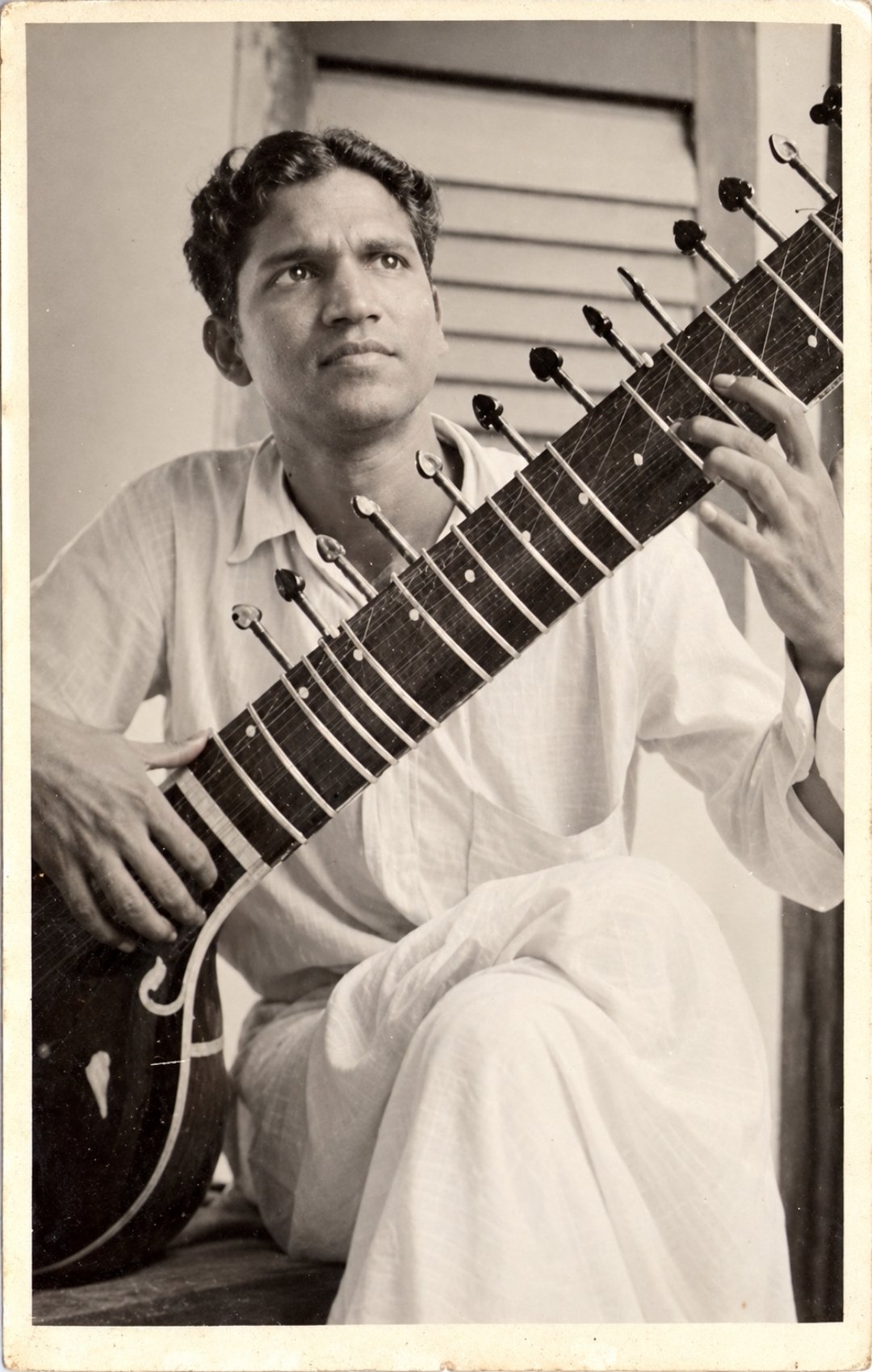
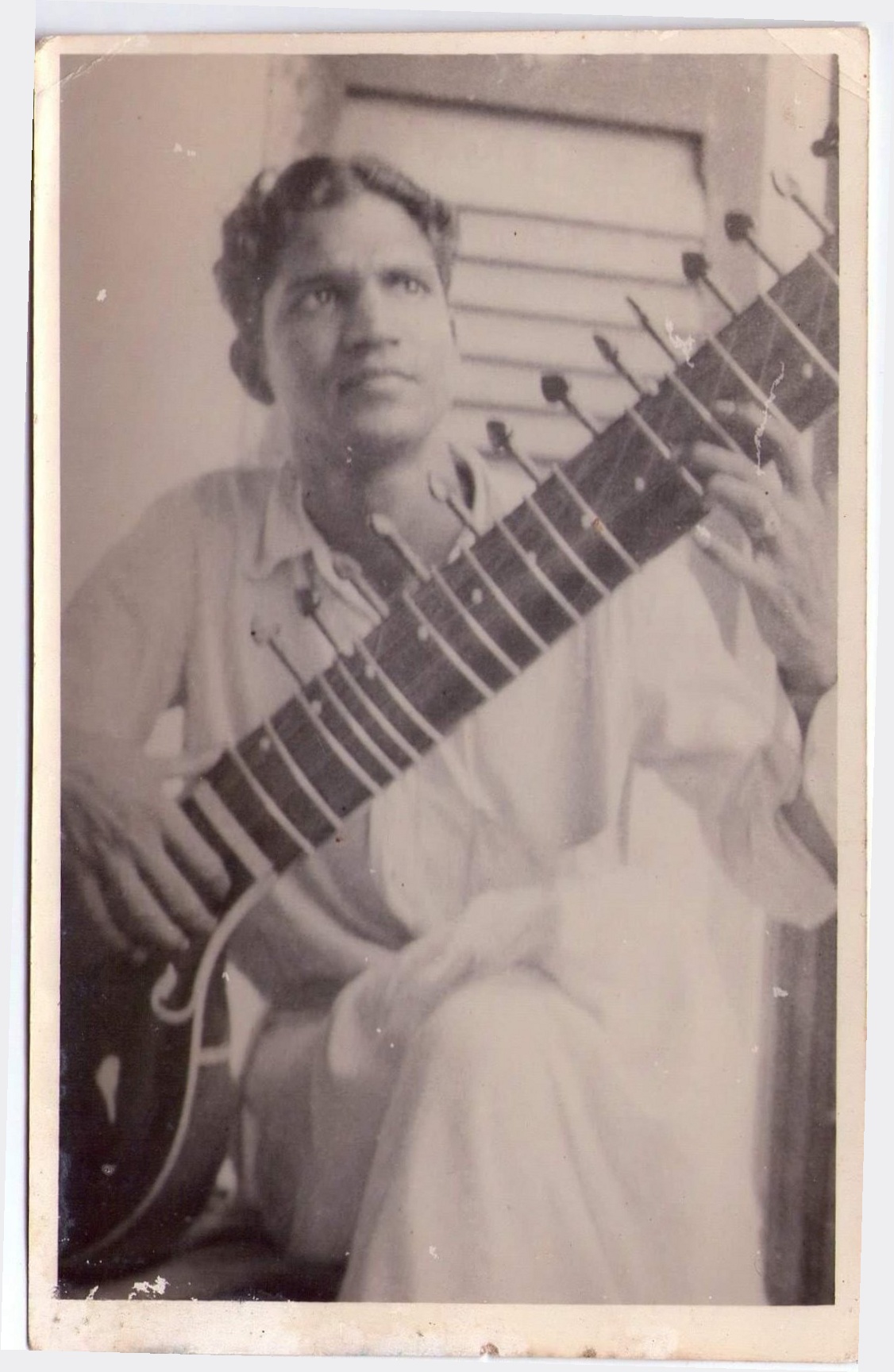
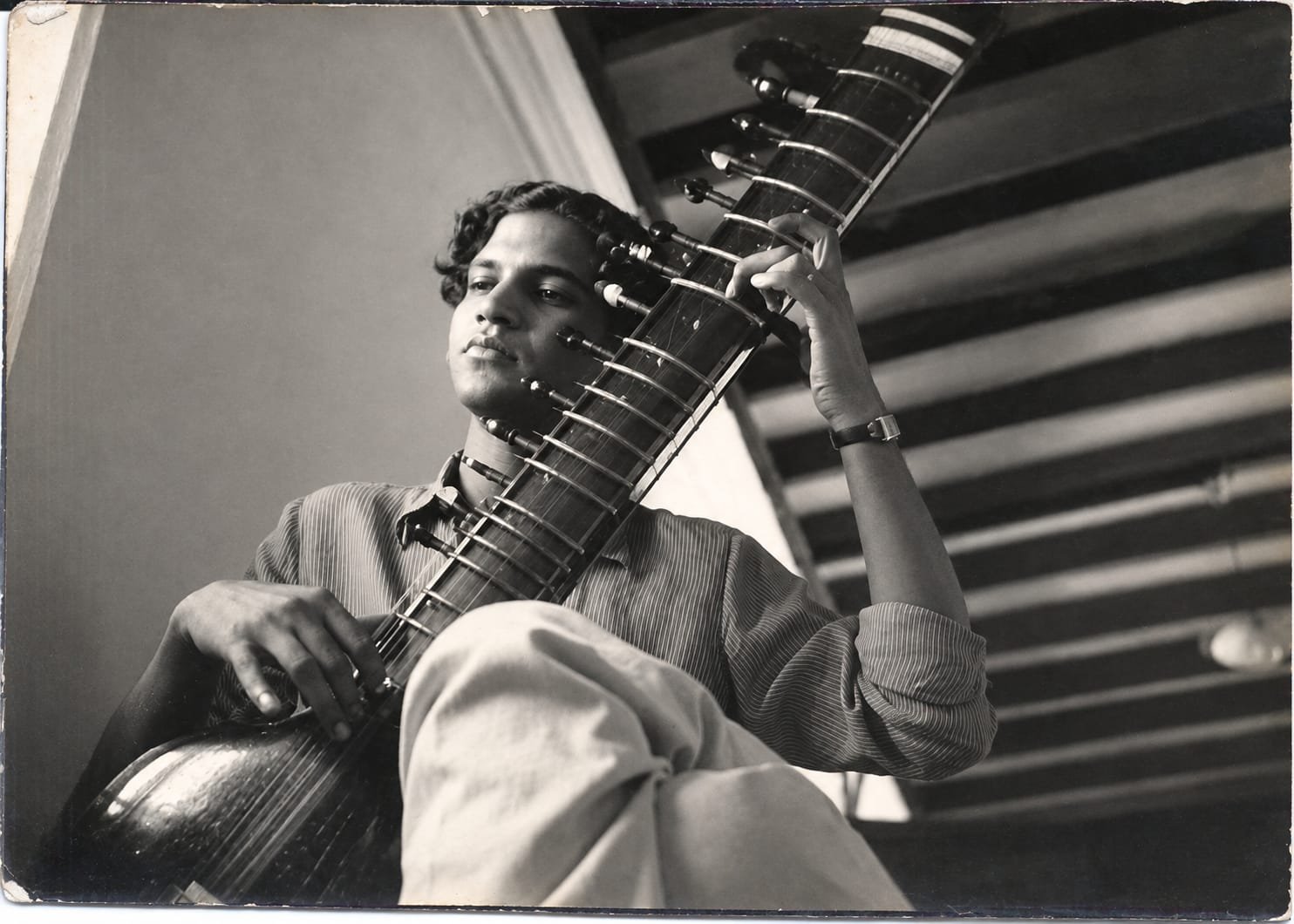
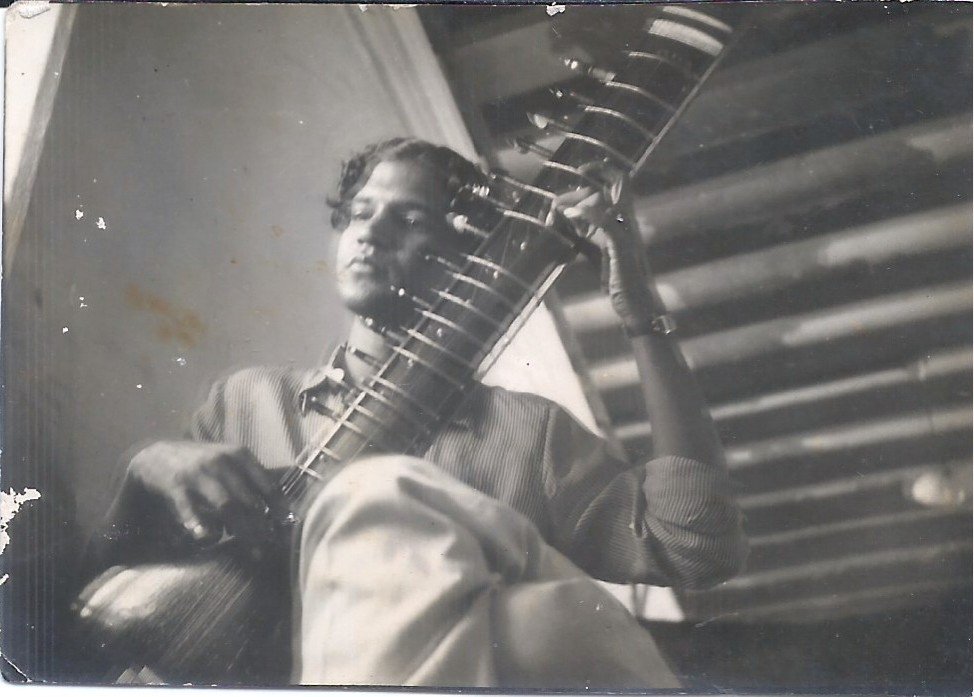
He played the sitar. The same hands that shaped bronze drew music from strings — one more art folded into a life that refused to hold just one.

The young artist holding a sitar
With his sitar.

07

The Return

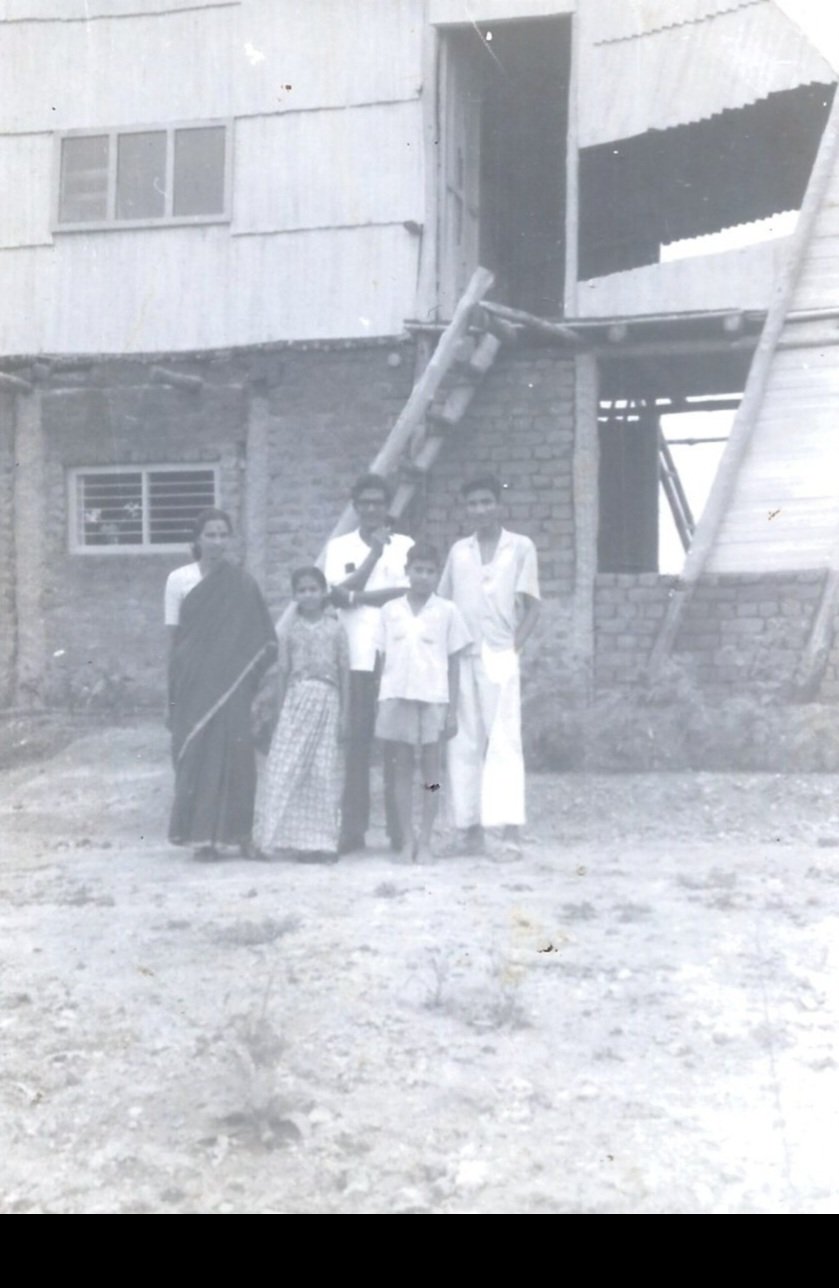
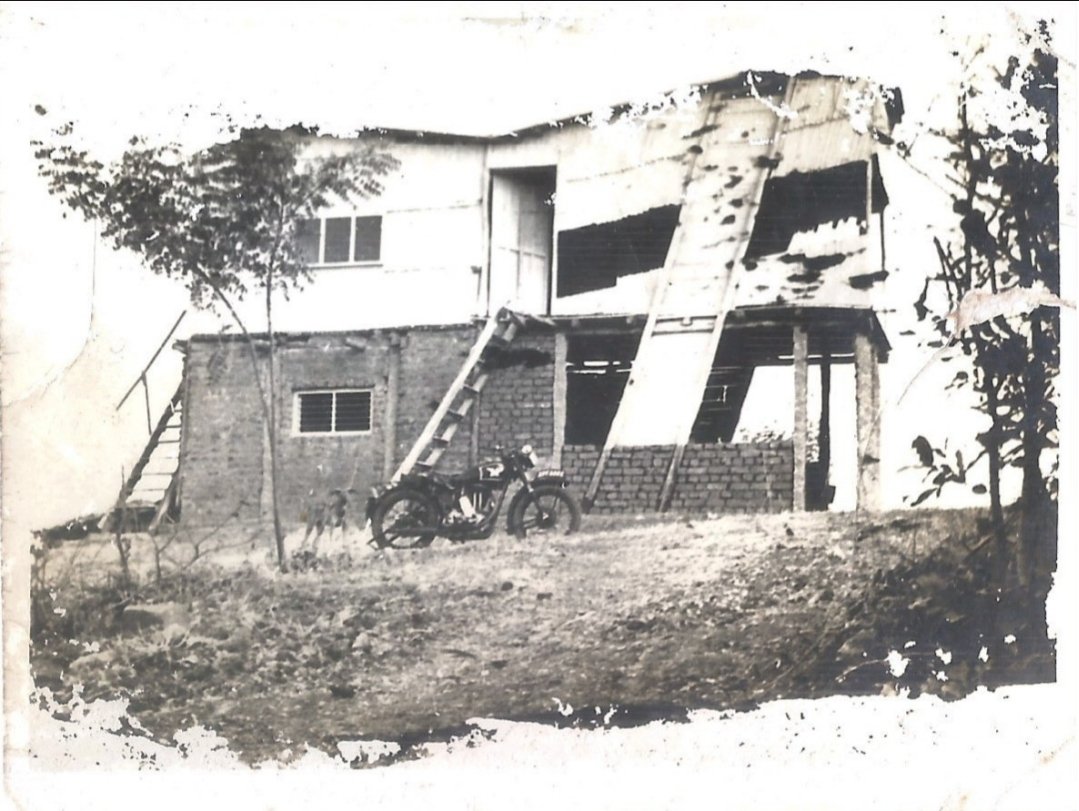
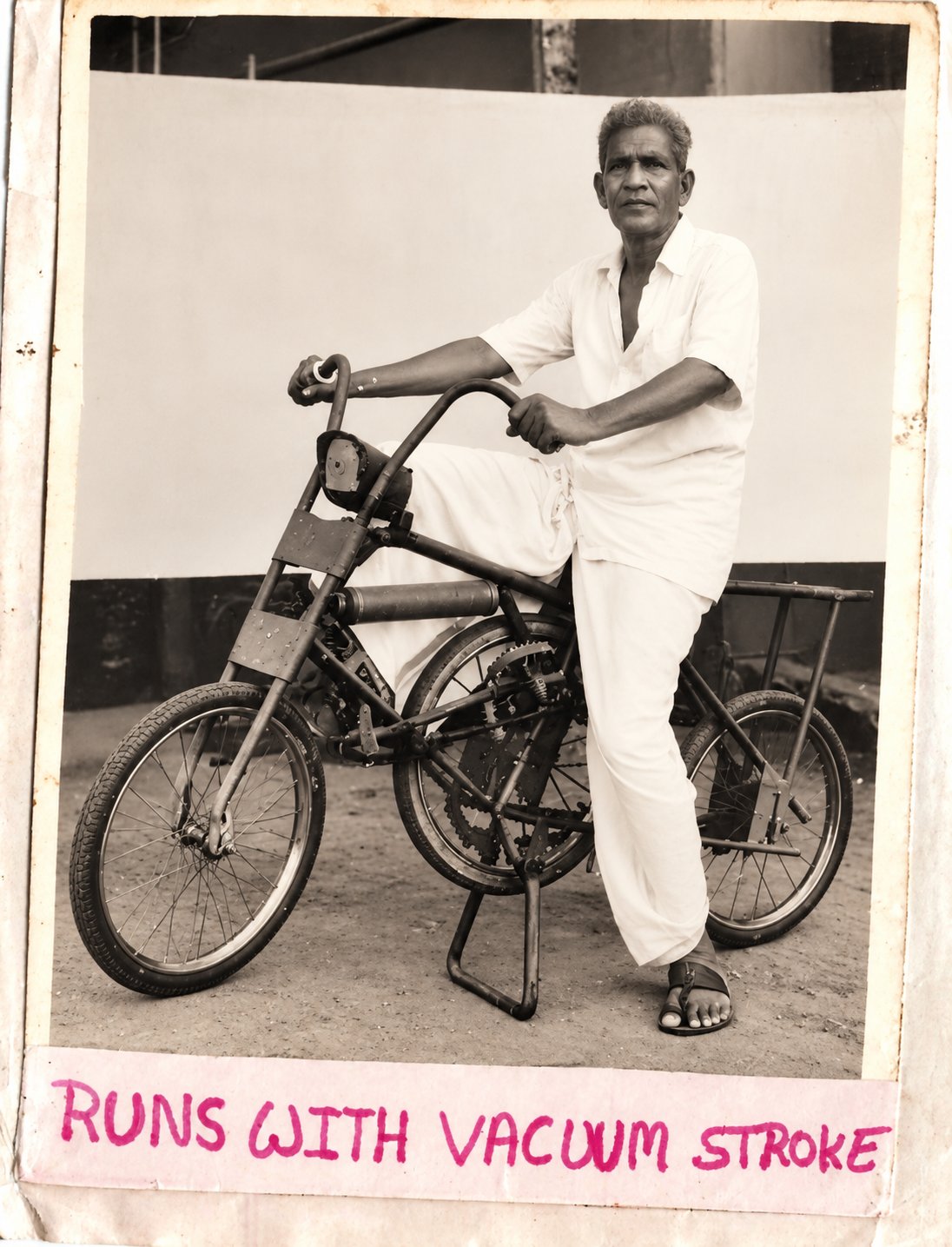
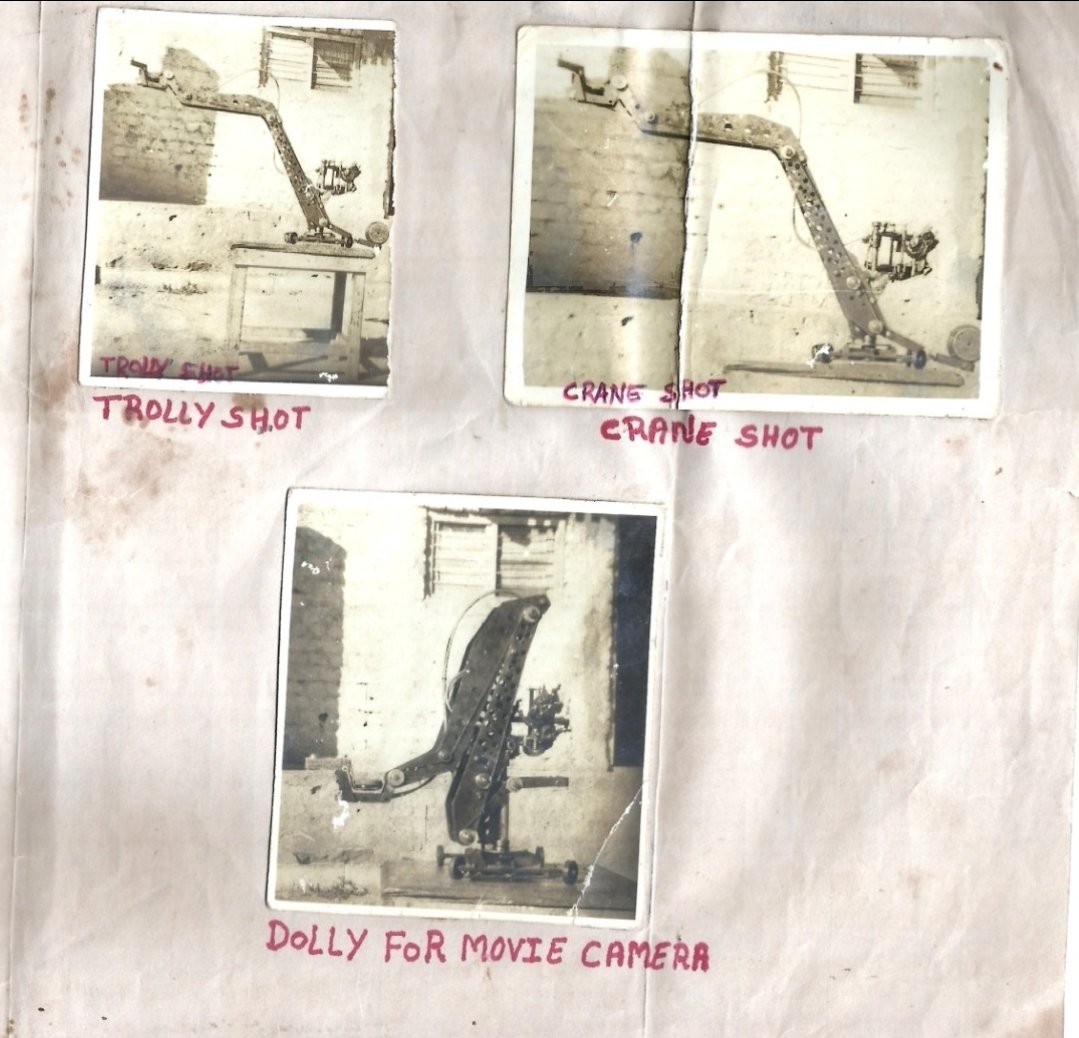
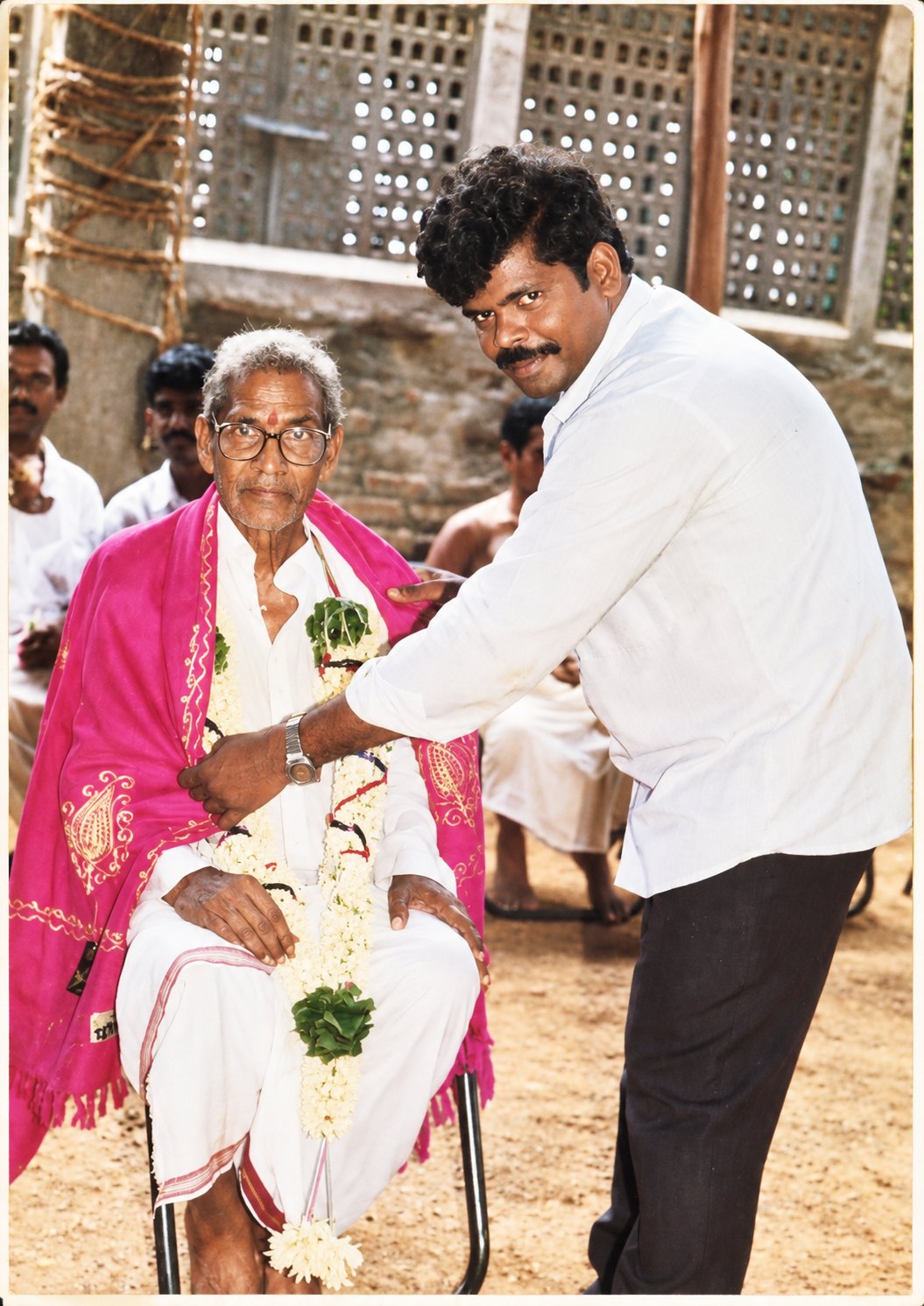
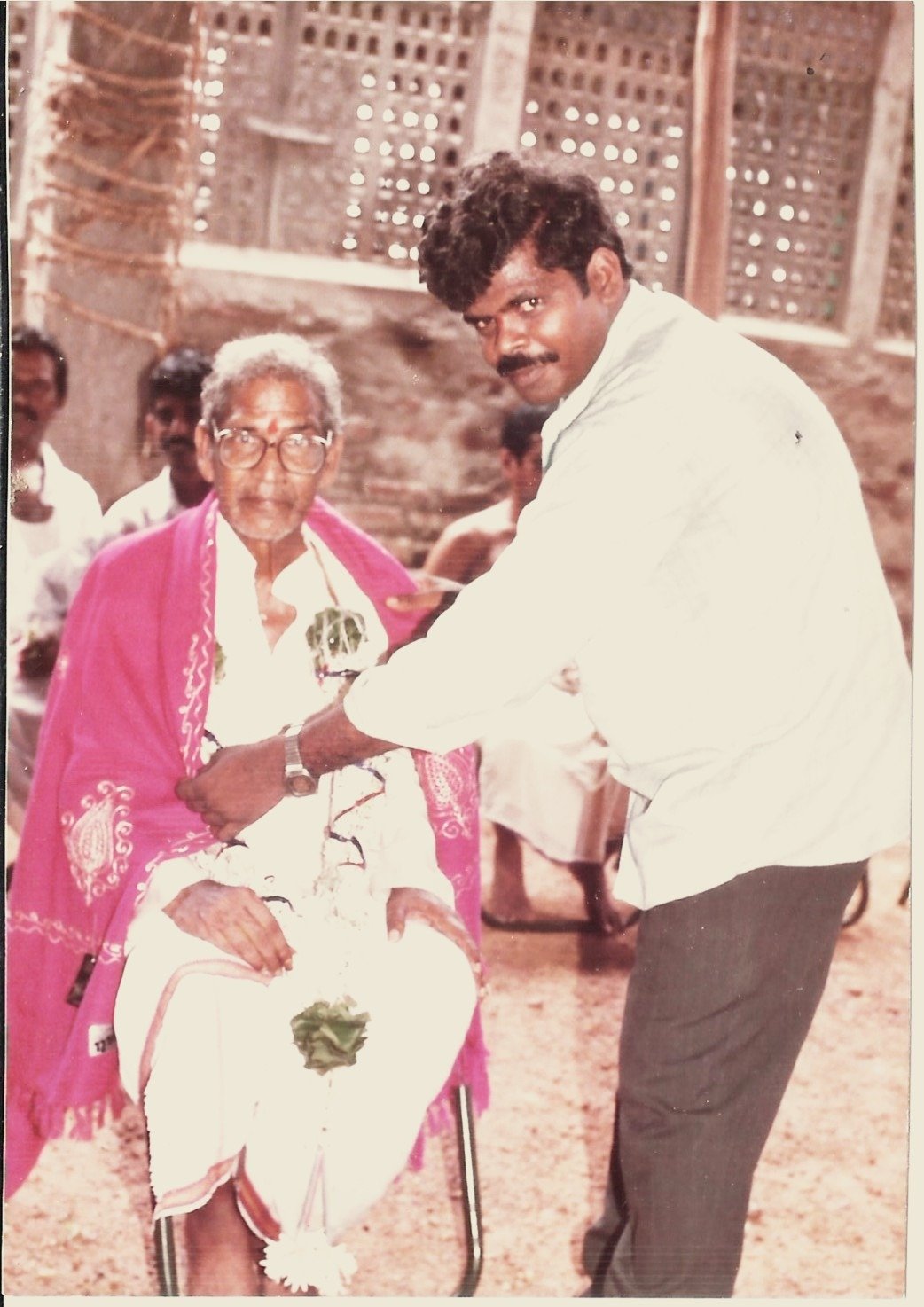
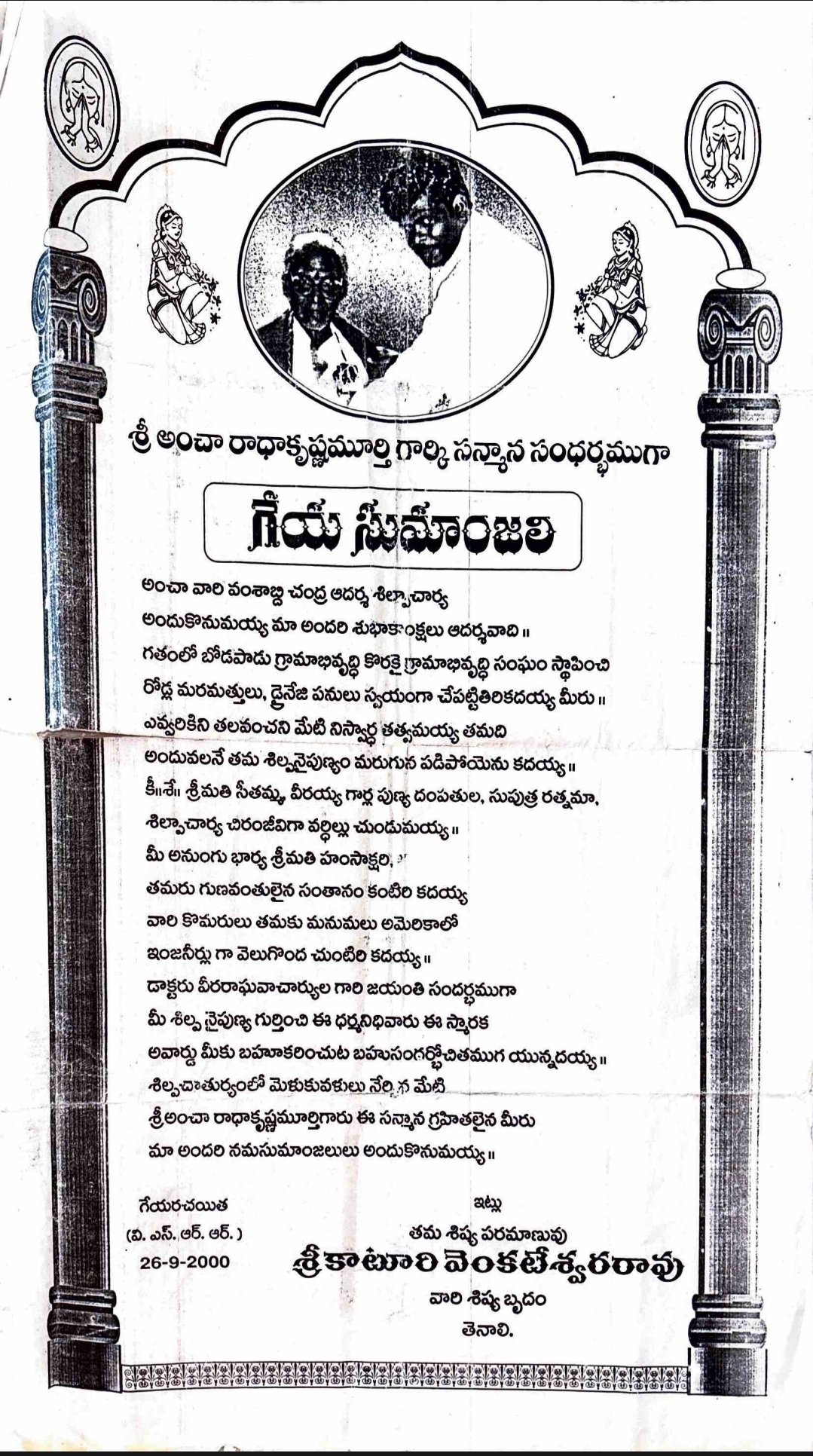
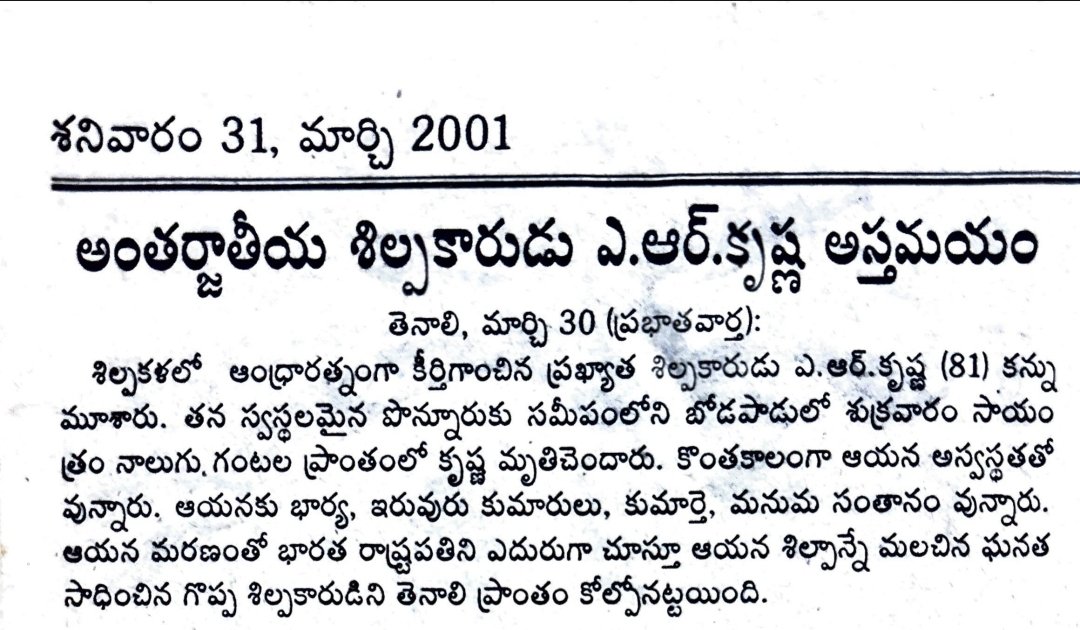
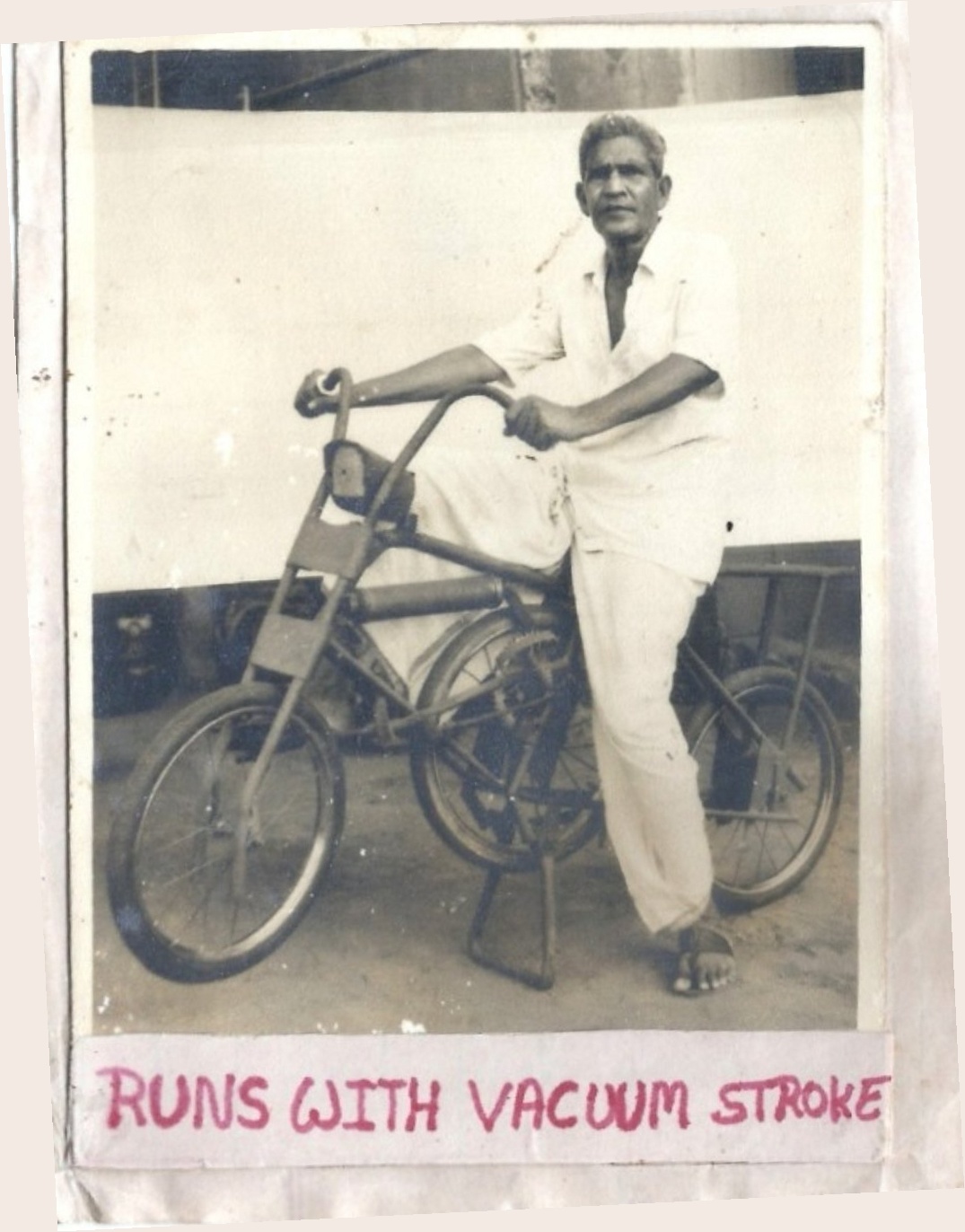
From 1978 to 1985 he lived in Bangalore, chasing an obsession: a flying bicycle. He built prototypes and ran experiments. When his health declined, he came home to Bodapadu and farmed his own field to the end — and it was there, in the village, that a young Katuri Venkateshwara Rao met him and became his student. He died on March 29, 2001. The man who sculpted a President ended his days as a farmer — not defeated, just home.
The student remembers the teacher — even if history does not.

08

The Rediscovery

In May 2017, the Telugu daily Sakshi profiled him as an “international artist” — one of the only published records of his life. Today his family is gathering every photograph, catalogue and memory into this archive, and a book on his life is in progress.

The forgetting ends here.

Sakshi newspaper profile, 20 May 2017
Sakshi, Tenali edition, 20 May 2017.

Timeline

A life in dates

  1. 1925

    Born in Bodapadu village near Tenali, into a farming family — the only son.

  2. c. 1940

    At fifteen, his school spots his gift and asks him to sculpt Gandhi, Nehru and Jesus for the school. He works day and night; his father wants him in the fields.

  3. 1940s

    He runs away to Macharla. Adavi Bapiraju becomes his first guru — teaching him painting, and painting only.

  4. Late 1940s

    Government Diploma of Fine Arts, Chennai — passed with First Class. Learns sculpture from Devi Prasad Roy Chowdhury of Bengal.

  5. 1952

    Apprentices under art director Madhavapeddi Gopalam at Vahini Studio, Madras; later art director at Saradhi Studio.

  6. 1956

    One-man show of paintings, drawings and sculptures at the Government Museum, Egmore — opened by Chief Justice P. V. Rajamannar.

  7. 1956–58

    A government scholarship to study in Italy. He is ready to go — but smallpox takes his eldest daughter, and he stays with his grieving family.

  8. 1958

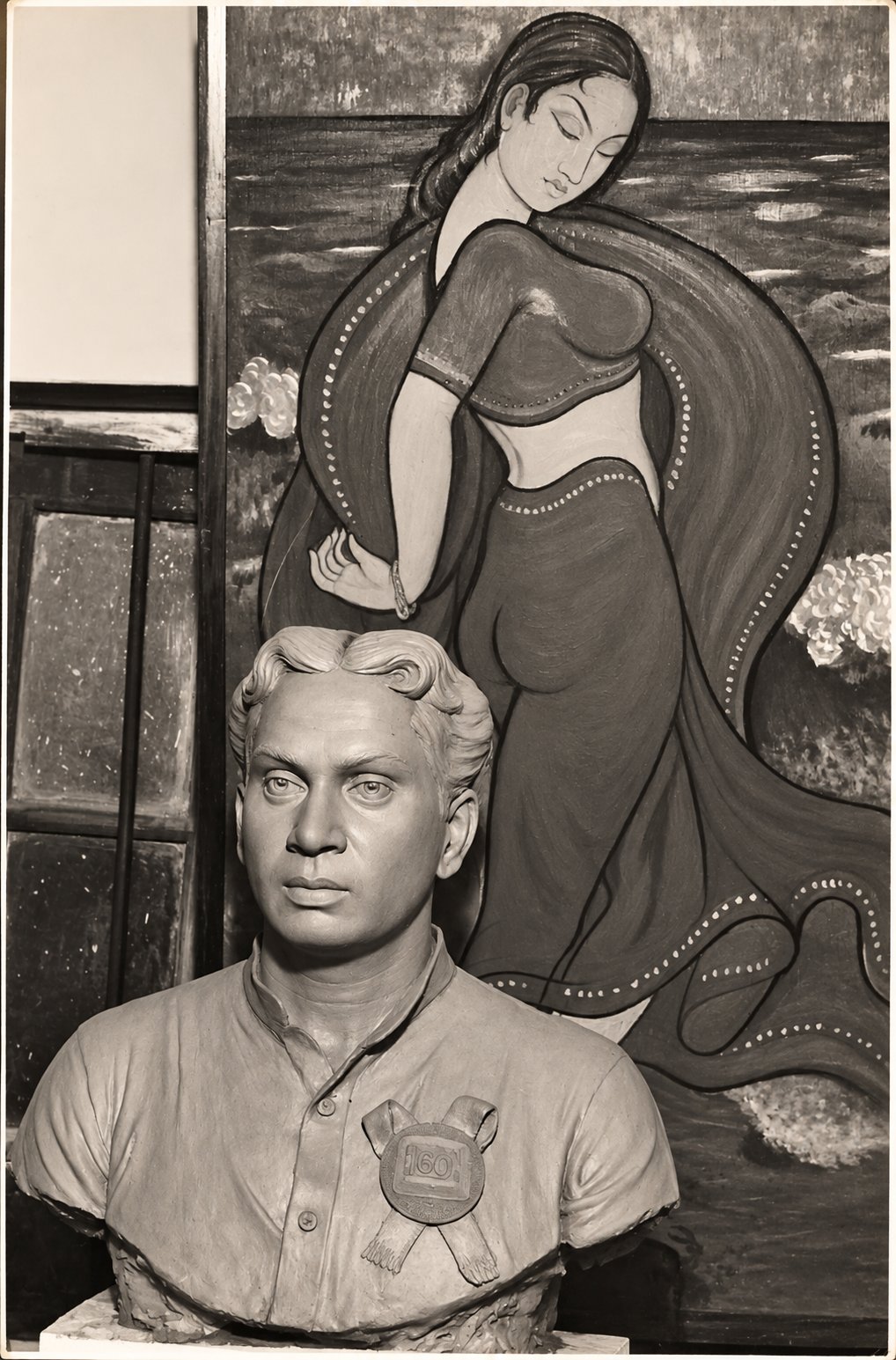
    Bust of Akkineni Nageswara Rao — gifted to the actor out of respect; ANR kept it in his house.

  9. 1959

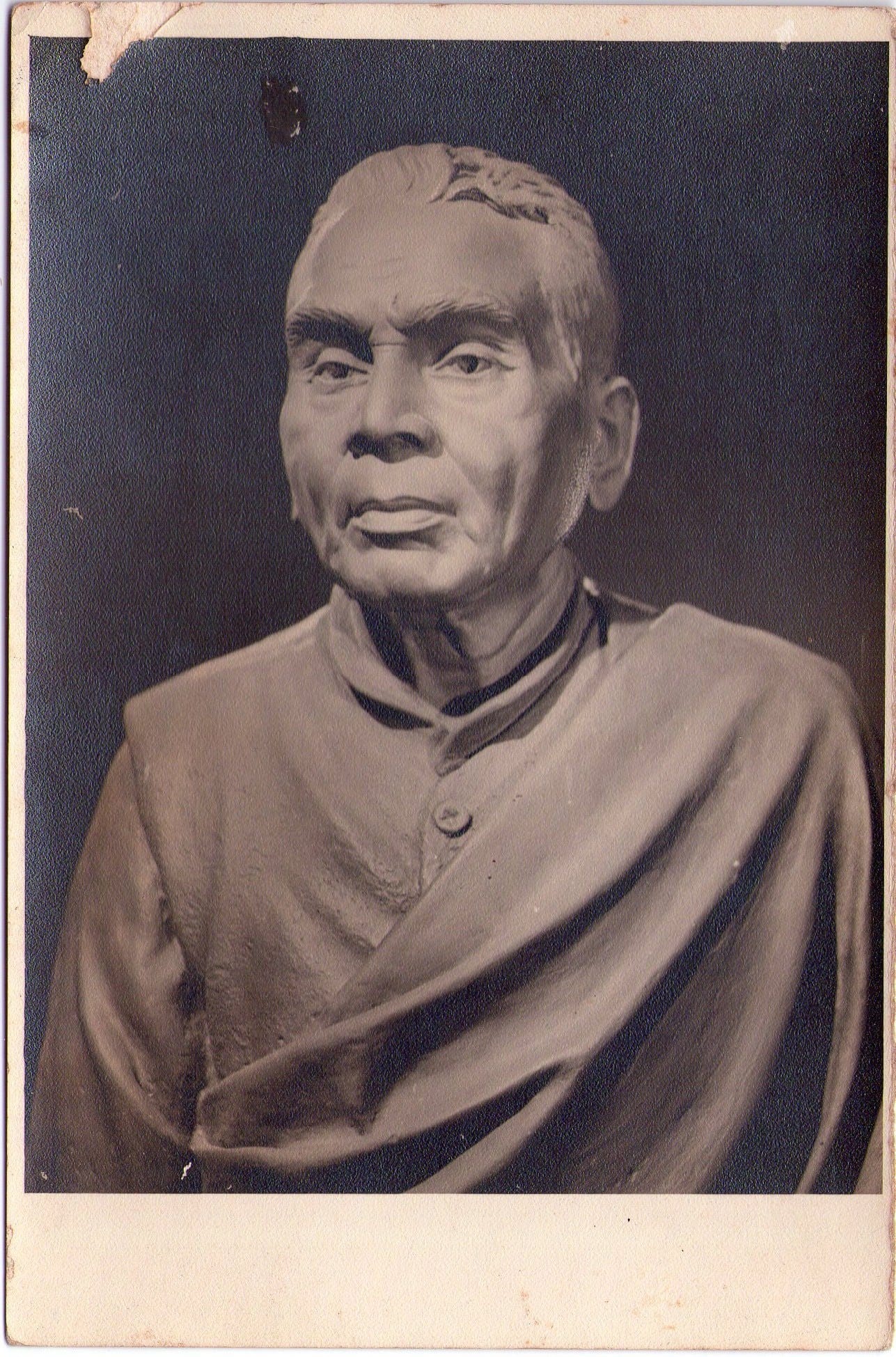
    Bust of Narla Venkateswara Rao — a token of appreciation for the journalist who treated him like a younger brother.

  10. 1960–61

    Duggirala Gopala Krishnayya statue — sculpted in Chennai at Pragada Kotaiah's request, installed in Chirala.

  11. 1962

    Moves to Hyderabad on Narla Venkateswara Rao's protsaham (encouragement) — the journalist treated him like a younger brother.

  12. 1962

    Raj Bhavan: his own students — by then professors at Andhra University — introduce him to President Sarvepalli Radhakrishnan. Three sittings of thirty minutes each.

  13. 1964

    Postgraduate course in sculpture, Madras School of Art, under Devi Prasad Roy Chowdhury.

  14. 1964–65

    Statue of Dr. Gururaju for the Government Homoeopathic Medical College he founded.

  15. 1978–85

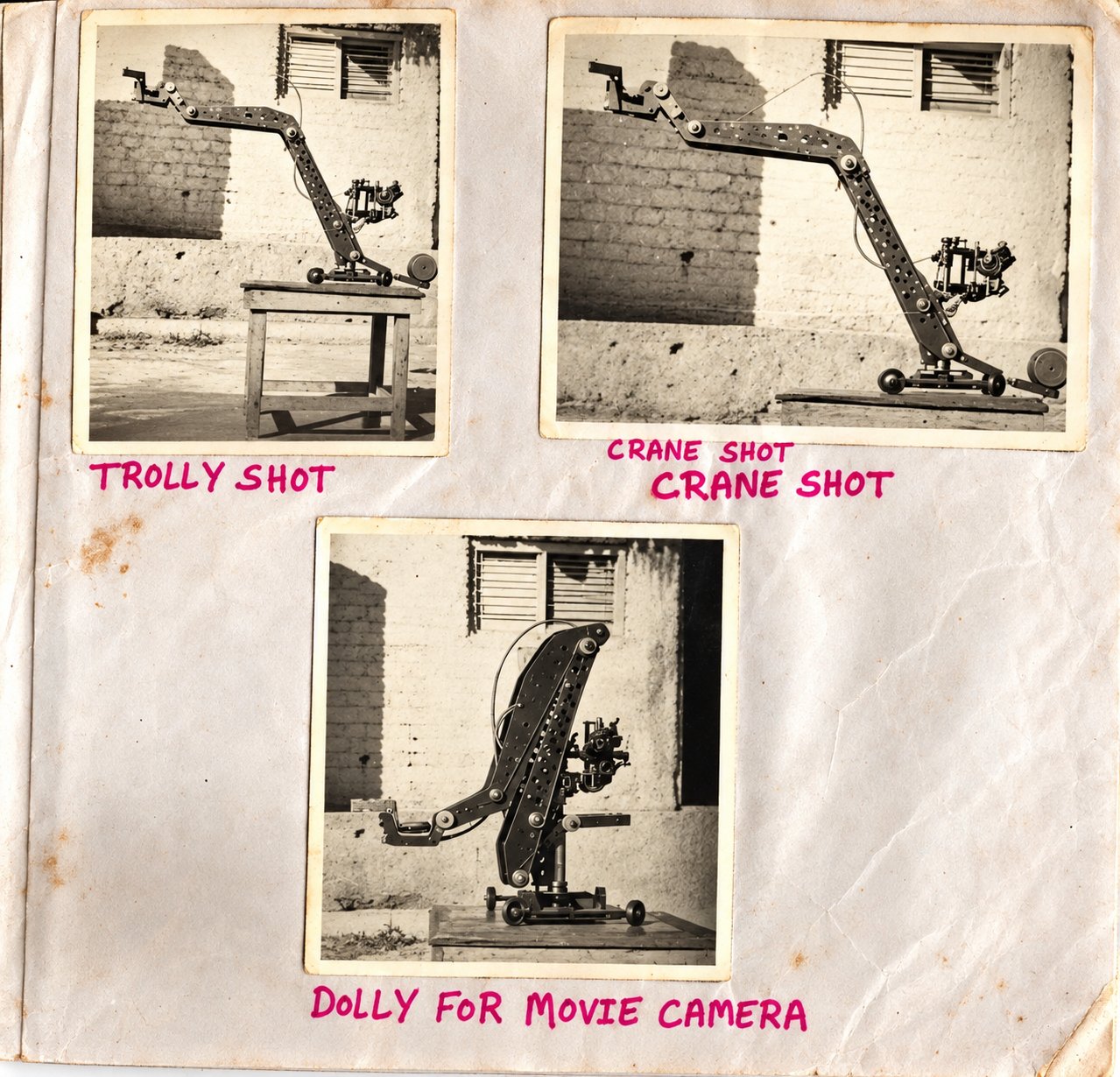
    Bangalore — prototyping the aerocycle, a flying bicycle; experiments until his health declines.

  16. Late 1980s

    Returns to Bodapadu and farms his own field. There, Katuri Venkateshwara Rao meets him and becomes his student.

  17. 2001

    March 29 — dies in Bodapadu, a farmer to the end.

  18. 2017

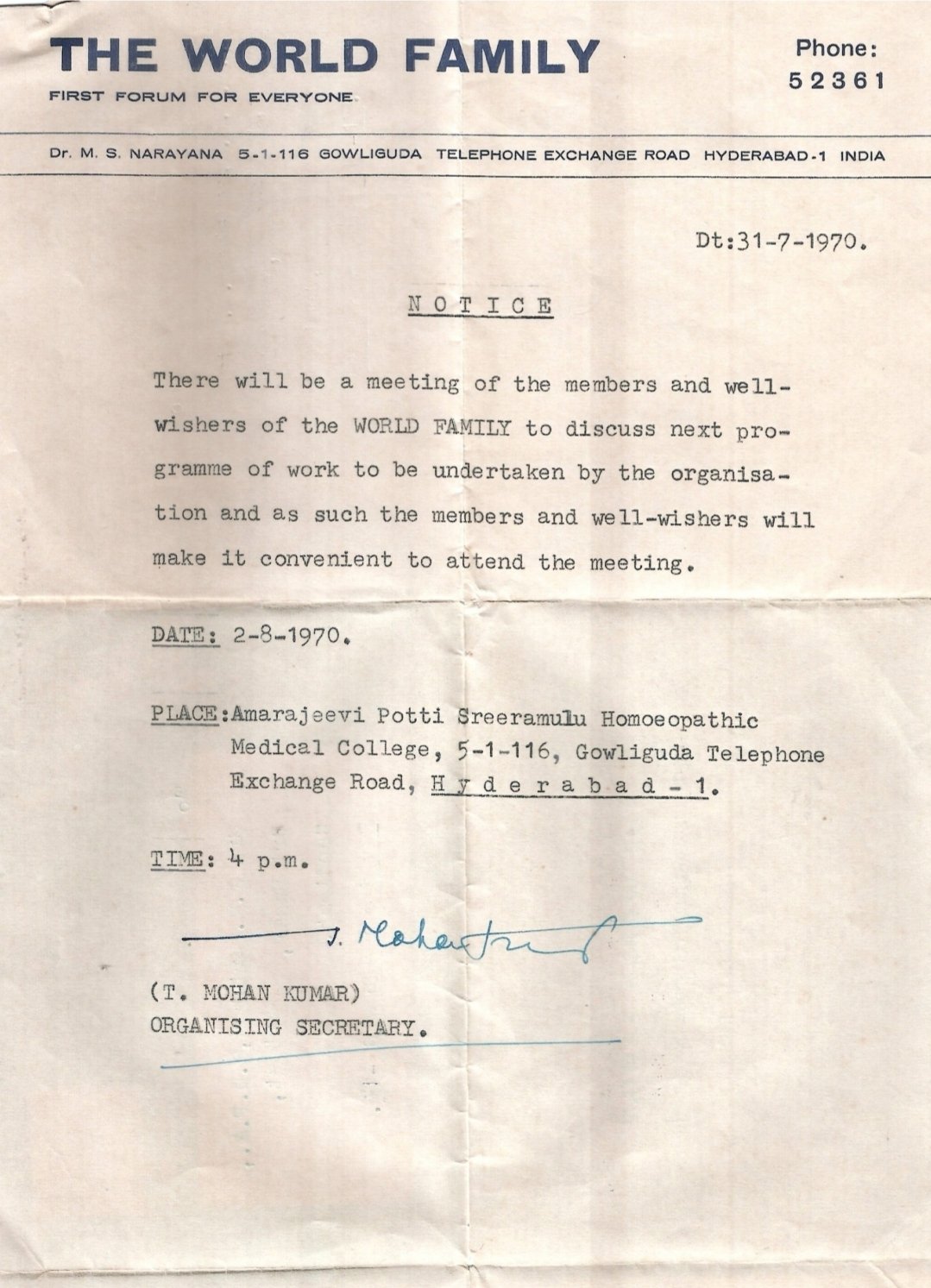
    Sakshi profiles him as an “international artist” — a rare published record.

  19. Today

    A book on his life is in progress.